Portfolio
Public-private allocation guidance, capital market assumptions, and strategic insight to help investors build forward-looking portfolios they can act on and defend.
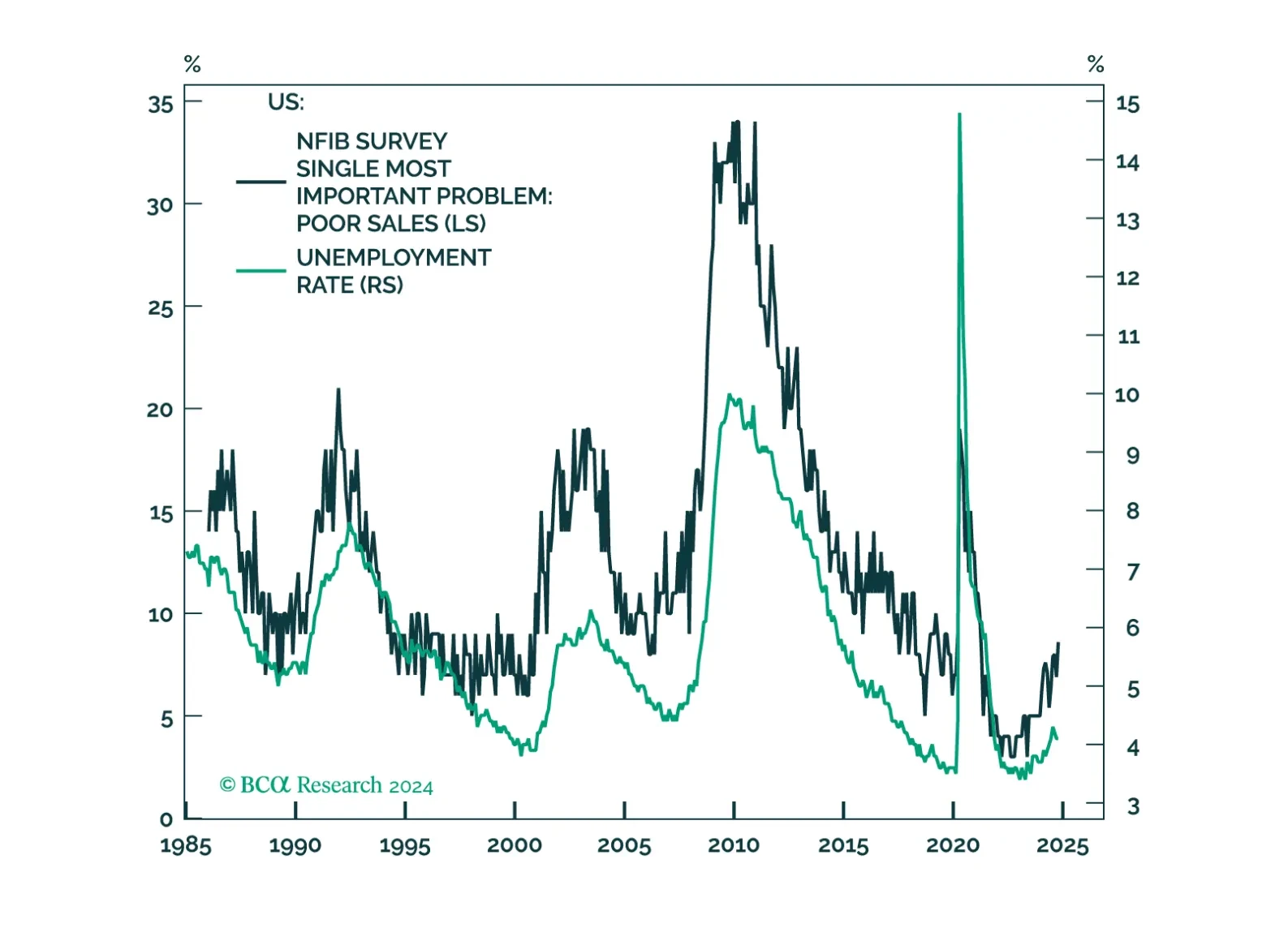
The post-COVID recovery has been one of excesses. Government deficits have ballooned, tight labor markets have led to a windfall of consumer spending, and equity valuations have soared on the back of lofty growth expectations. But these excesses will no longer be sustainable in 2025. Our theme for next year is Thin Is Back In. Government budgets, economic growth, and equity valuations will be leaner than investors expect. We discuss this the reasoning behind this macro view and the asset allocation implications that follow from it.
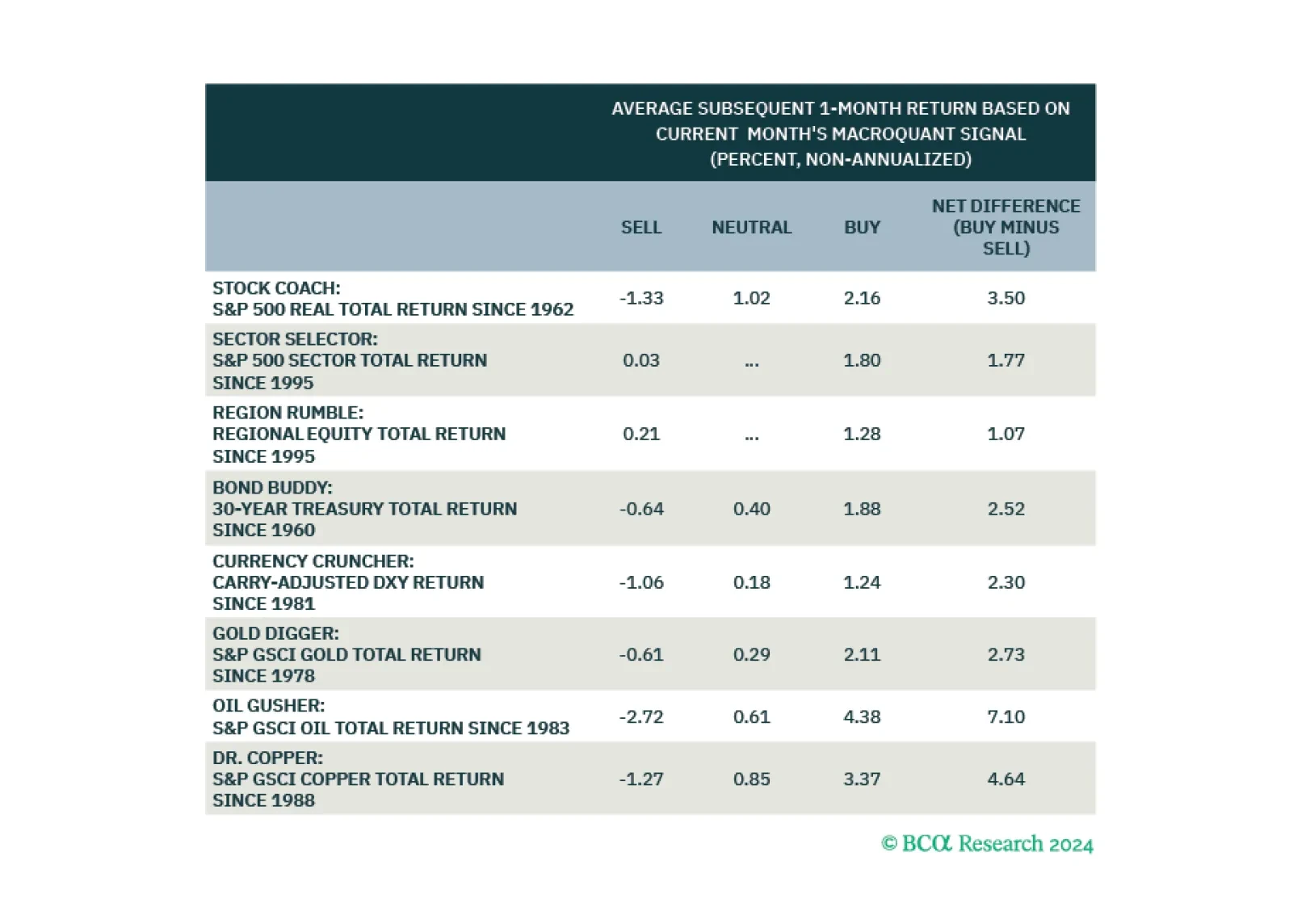
Today, we are unveiling an update to our MacroQuant model. The latest version of the MacroQuant model sees downside risk to stocks going into December and recommends increasing duration exposure in global fixed-income portfolios.


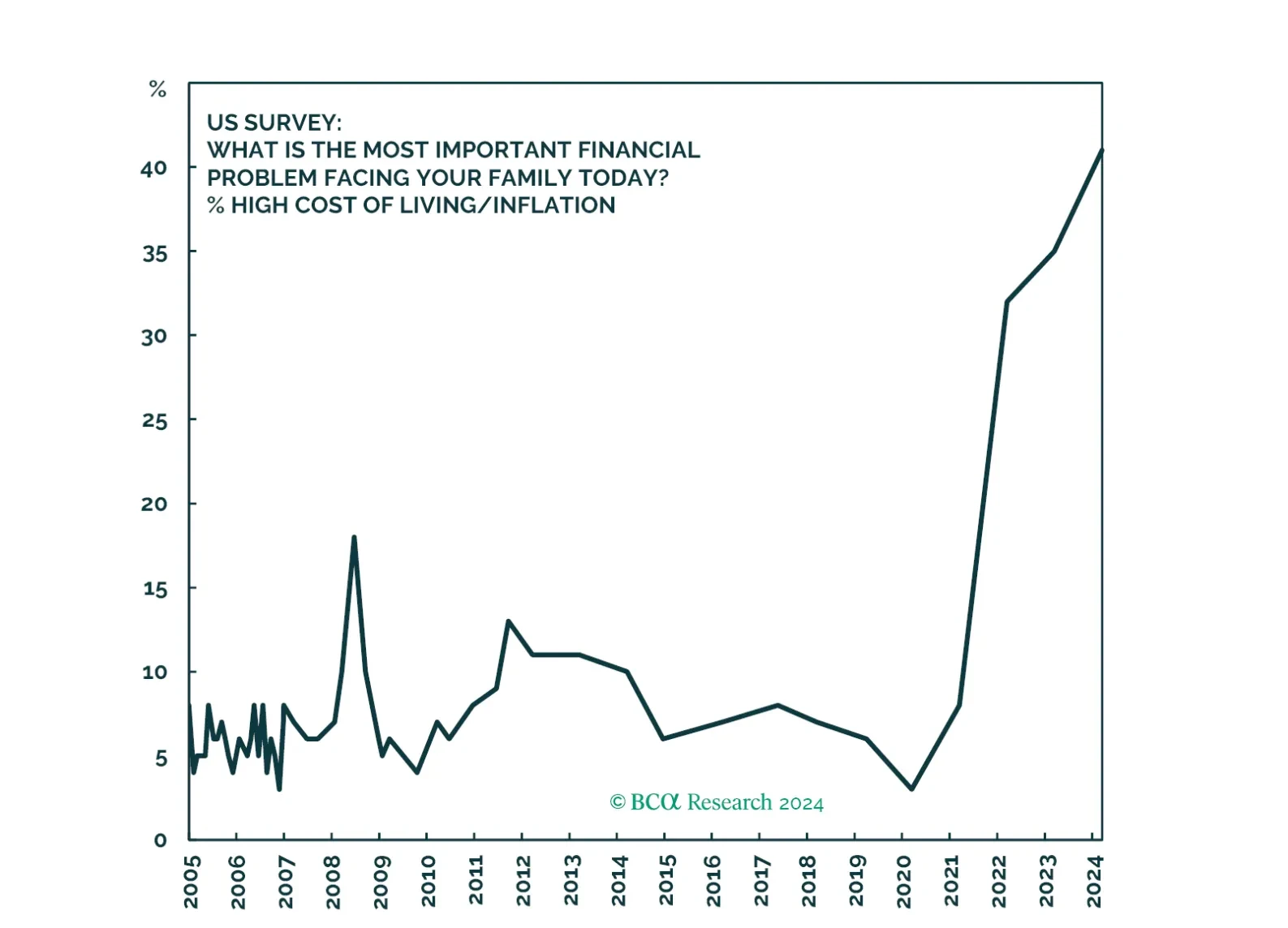
After the election, investors have begun to price in a repeat of the first Trump presidency. The market is expecting Trump to enact a flurry of policies that will unleash a year of growth like 2017. But we believe the consensus is wrong. Investors are playing the man and not the macro. The economic outlook and the political situation today are the polar opposite to late 2016. We are fading the small cap rally and recommending above-benchmark duration. We also recommend a defensive stance.
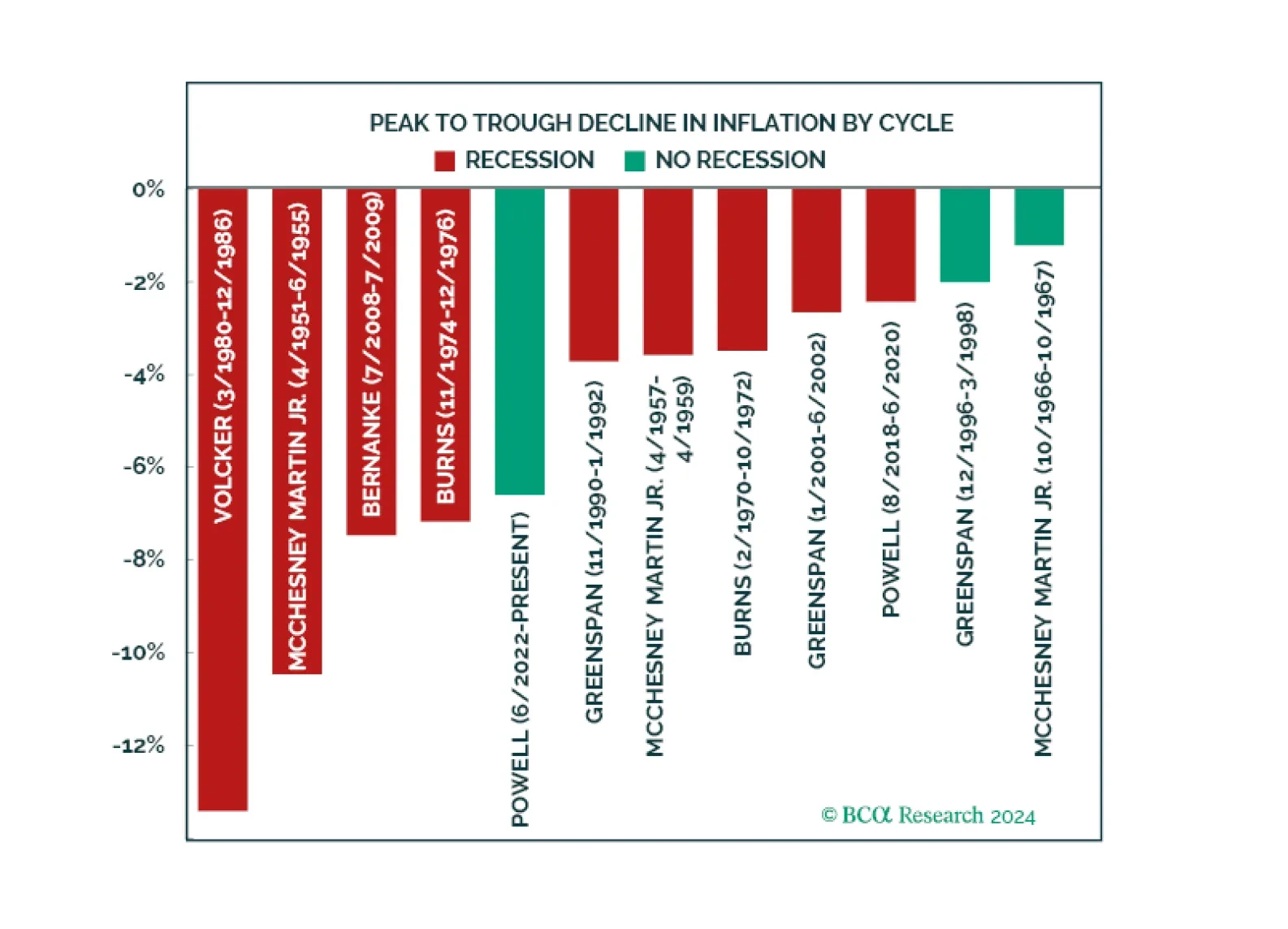
Can Powell achieve a soft landing? There are some indications he is doing it. We examine why our negative stance was wrong and analyze the four growth engines that kept recession at bay. Half of these forces remain while the other half have run out of juice. While this might be enough to keep the economy going, we maintain our defensive positioning. Equities have priced a very benign outcome. Meanwhile, rising rates in anticipation of a Trump win are pushing the economy away from the soft-landing path. We hedge the possibility of further upside in yields in case Trump gets elected by downgrading duration to neutral.

MacroQuant expects global equities to weaken in November. As such, the model recommends underweighting equities and overweighting bonds and cash.
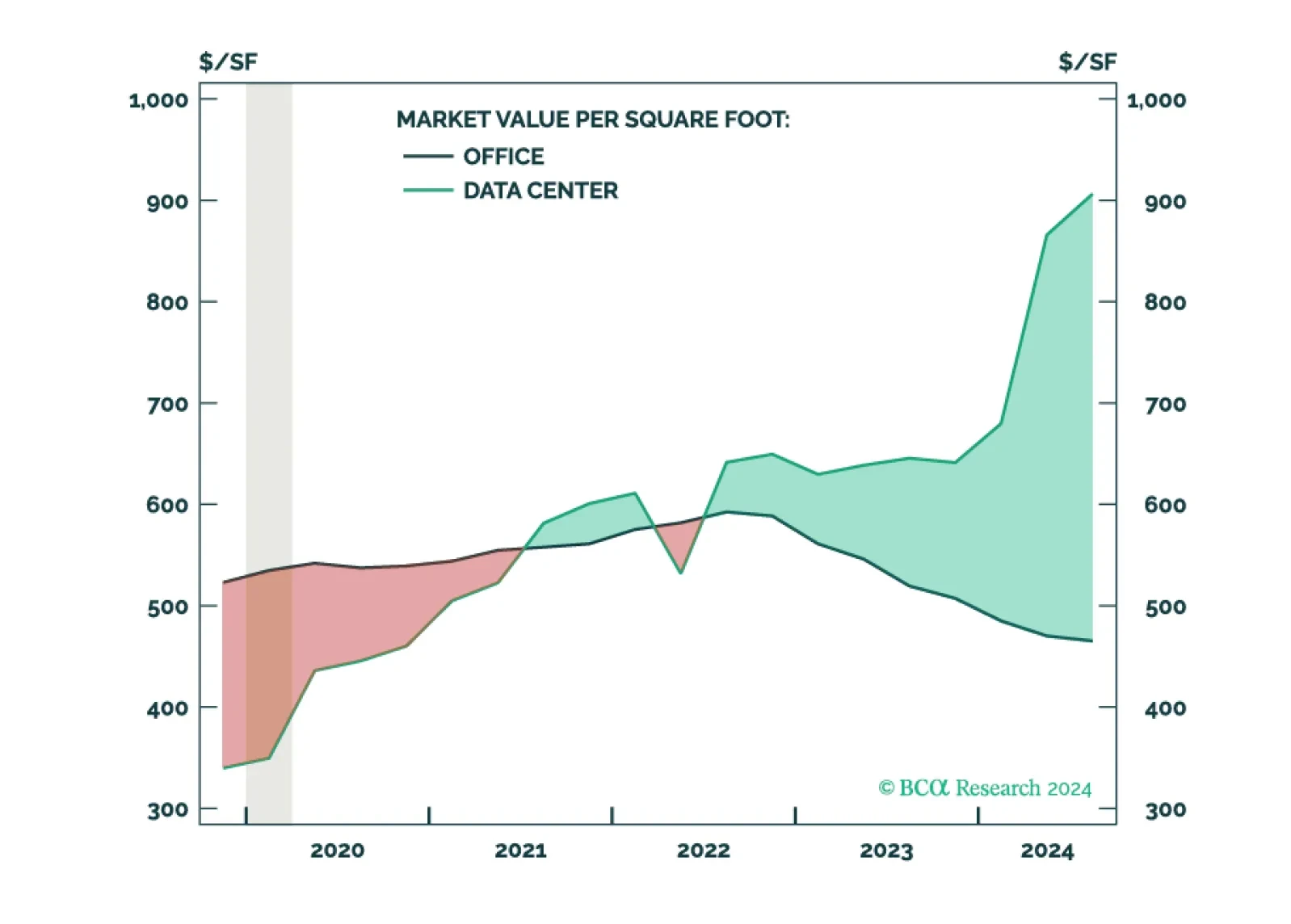
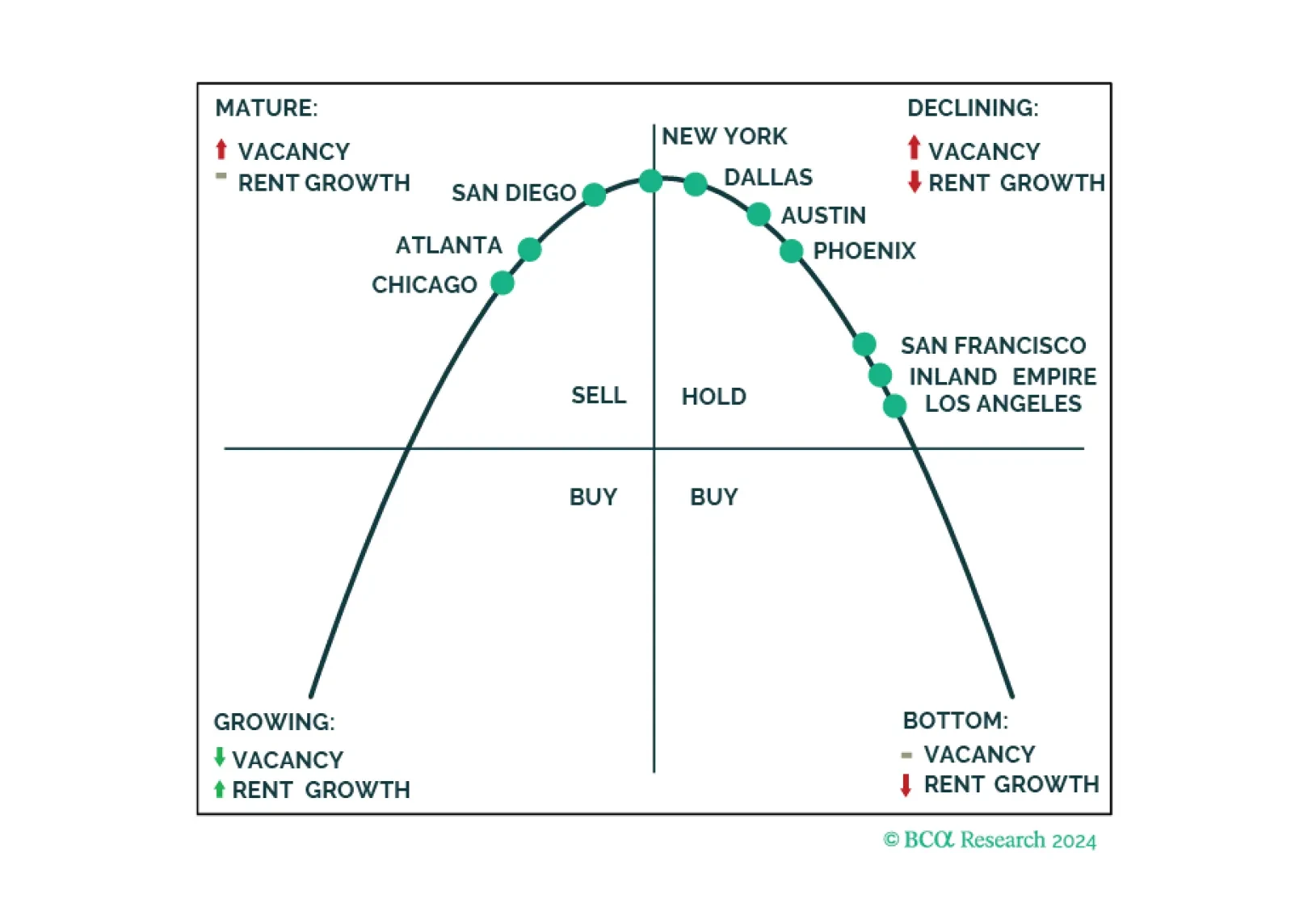
We prefer Non-Core Infrastructure and Venture Capital over Buyouts and Multi-Strategy Hedge Funds. We are now overweight Core/+ Real Estate. Investors need to recheck the bank regulation tailwind for their long-term assumptions on Private Credit.
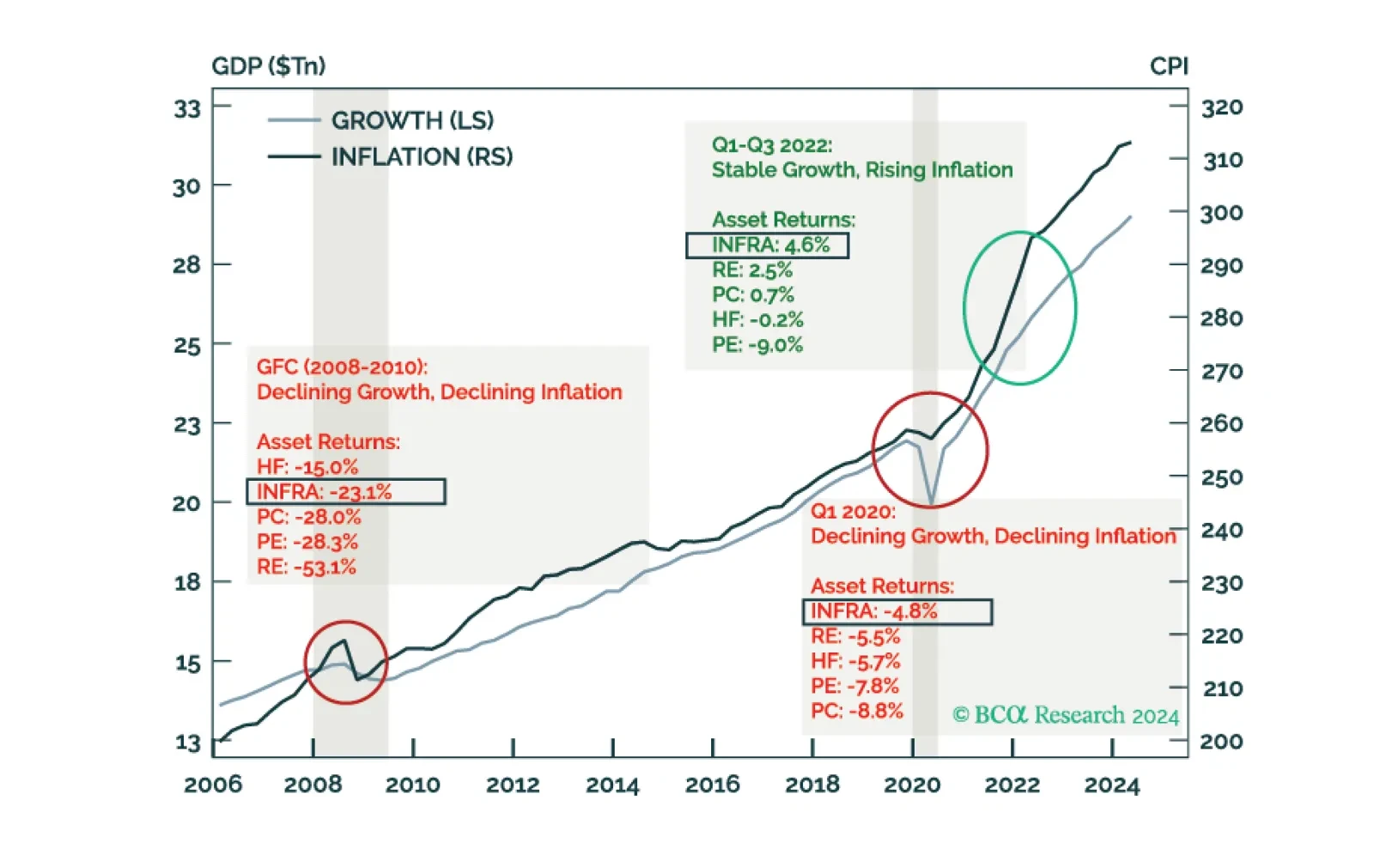
Institutional investing is not as straightforward as picking the fastest horse. Infrastructure’s attraction as an investment stems from its diversification, specifically its feature as an inflation-hedge, cash flow stability, and scalability. This Primer lays the groundwork for integrating Infrastructure into the PMA framework.