 CoreMacro
BCA’s flagship global macro and investment strategy platform, helping investors anticipate regime shifts, connect signals across regions and asset classes, and navigate the world’s most difficult macro questions.

Two days ago, I flagged how the number of people in the US who are working part time but would rather be working full time is rising, which usually only happens in the early stages of recessions.

The S&P Global flash PMIs released yesterday showed that the contraction in manufacturing activity accelerated on both sides of the Atlantic in September. The forward-looking new orders component fell to a 9-month low of 42.3 in the euro area and a 21-month low of 42.7 in the US.
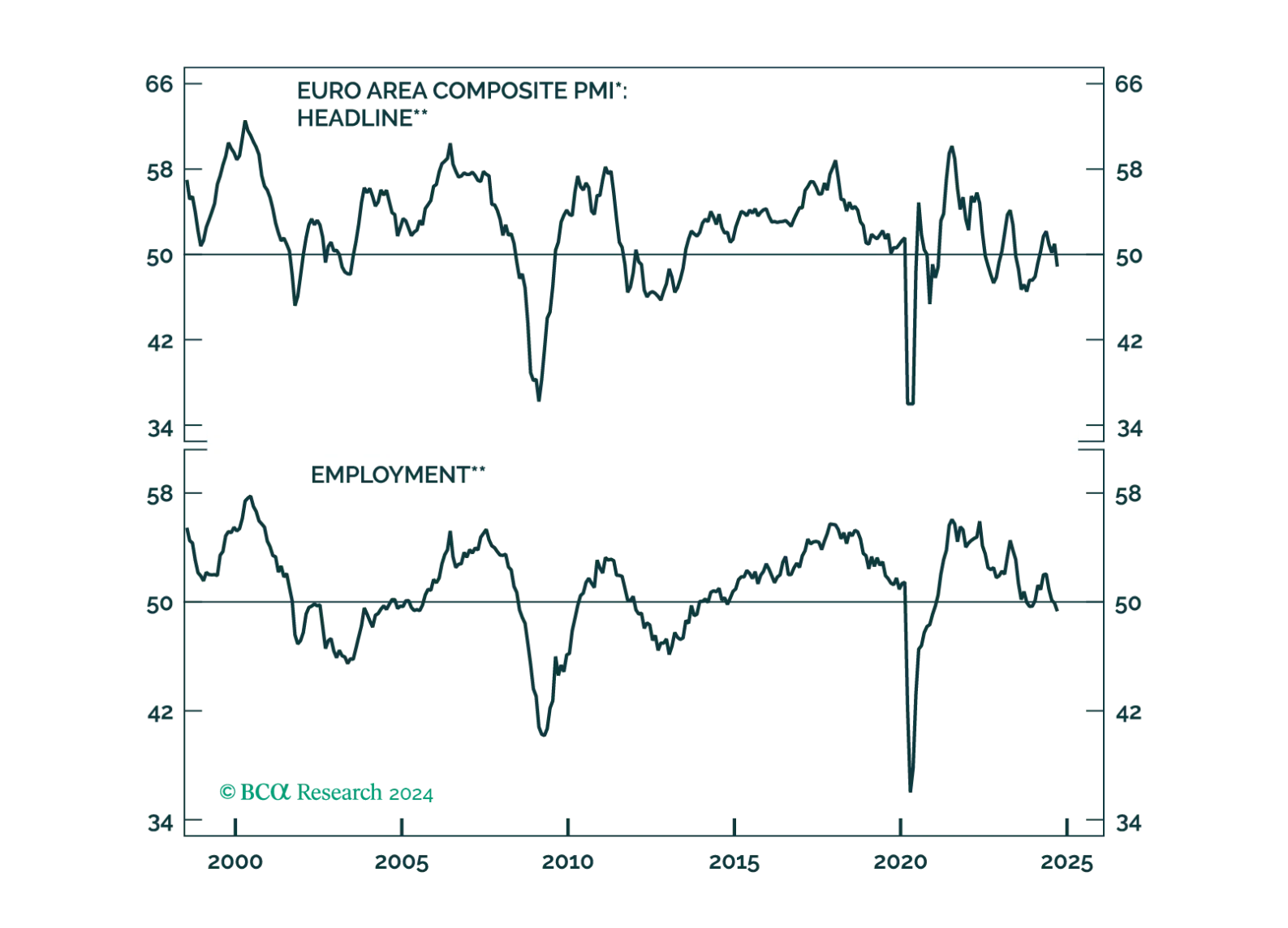
The September Euro Area Flash PMI release confirms that the region's economic outlook is deteriorating. Manufacturing activity is now fully contracting, and the new orders-to-inventory ratio is deteriorating anew. Services activity is losing some of its shine, especially in France, now that the Olympics are over.

The Central Bank of Brazil (BCB) raised interest rates last week. Is this the commencement of a major tightening cycle that will persist well into next year? Despite this move, we maintain that the BCB will cut interest rates substantially next year. We believe the Lula-nominated board members are playing the long game: voting to hike rates until year-end to establish credibility with financial markets in order to get a pass at easing monetary policy in early 2025.
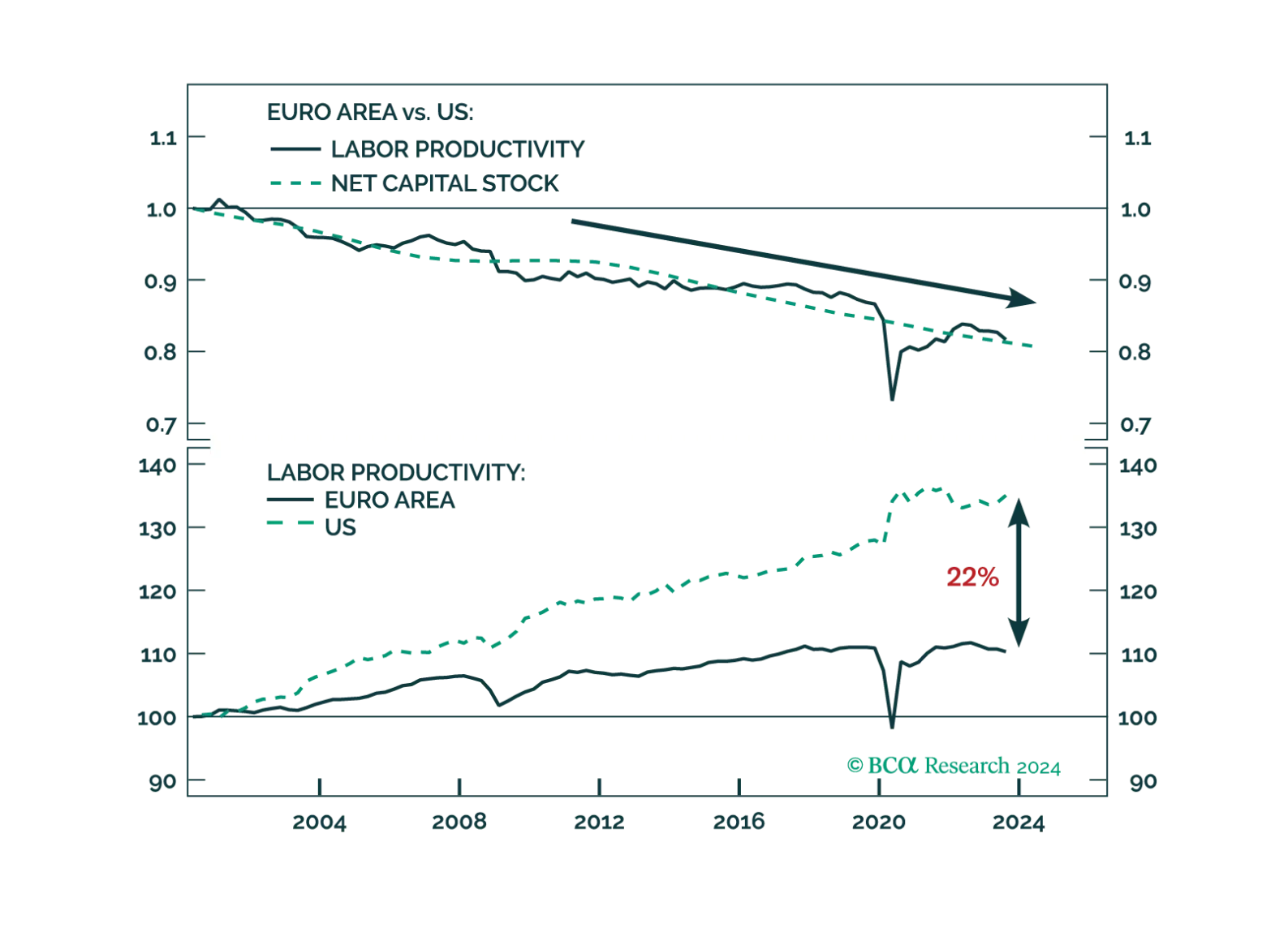
The Draghi report highlights sensible reforms that would address many of Europe’s productivity shortcomings. Whether European capitals heed Mario Draghi’s advices remains to be seen.
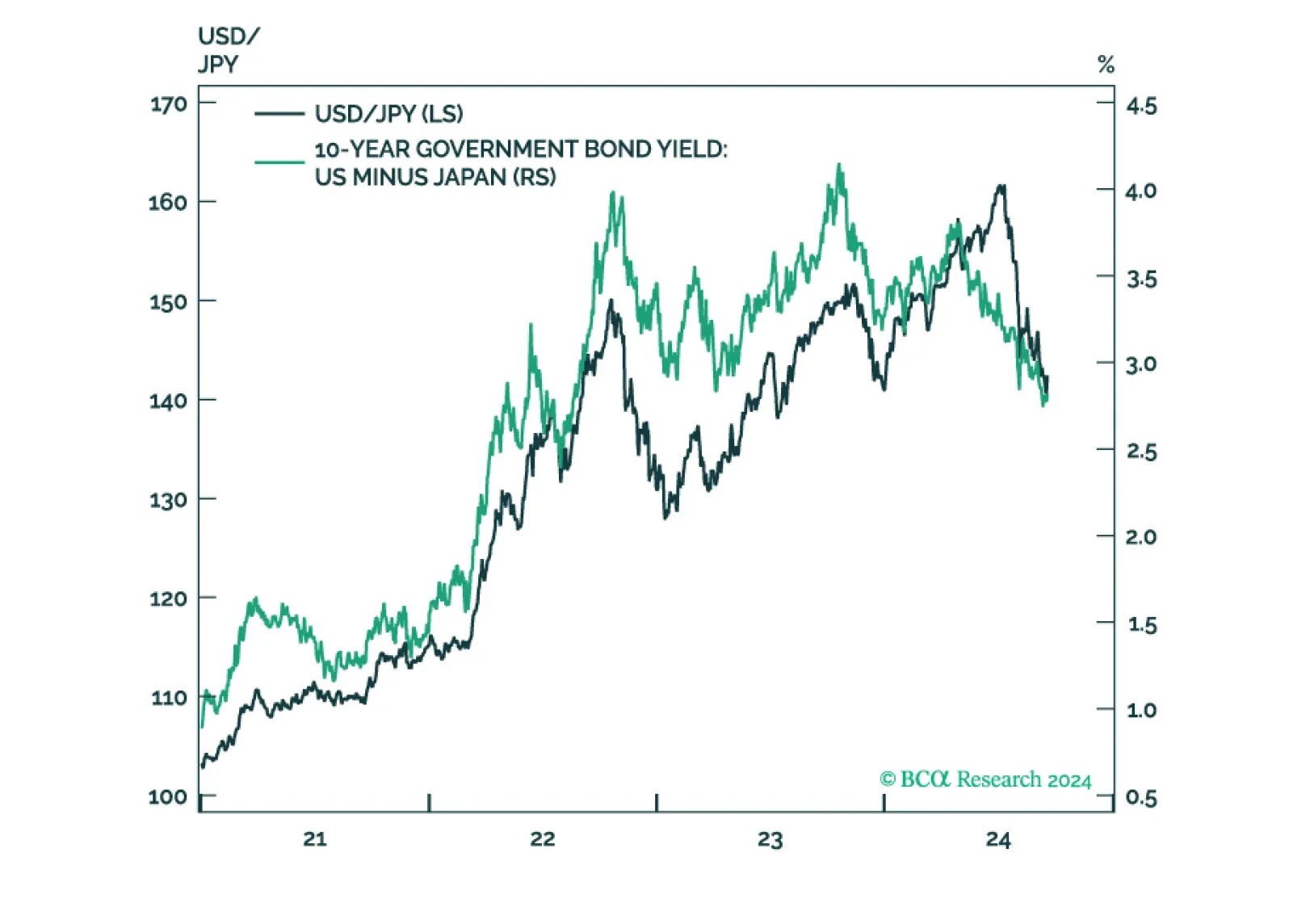
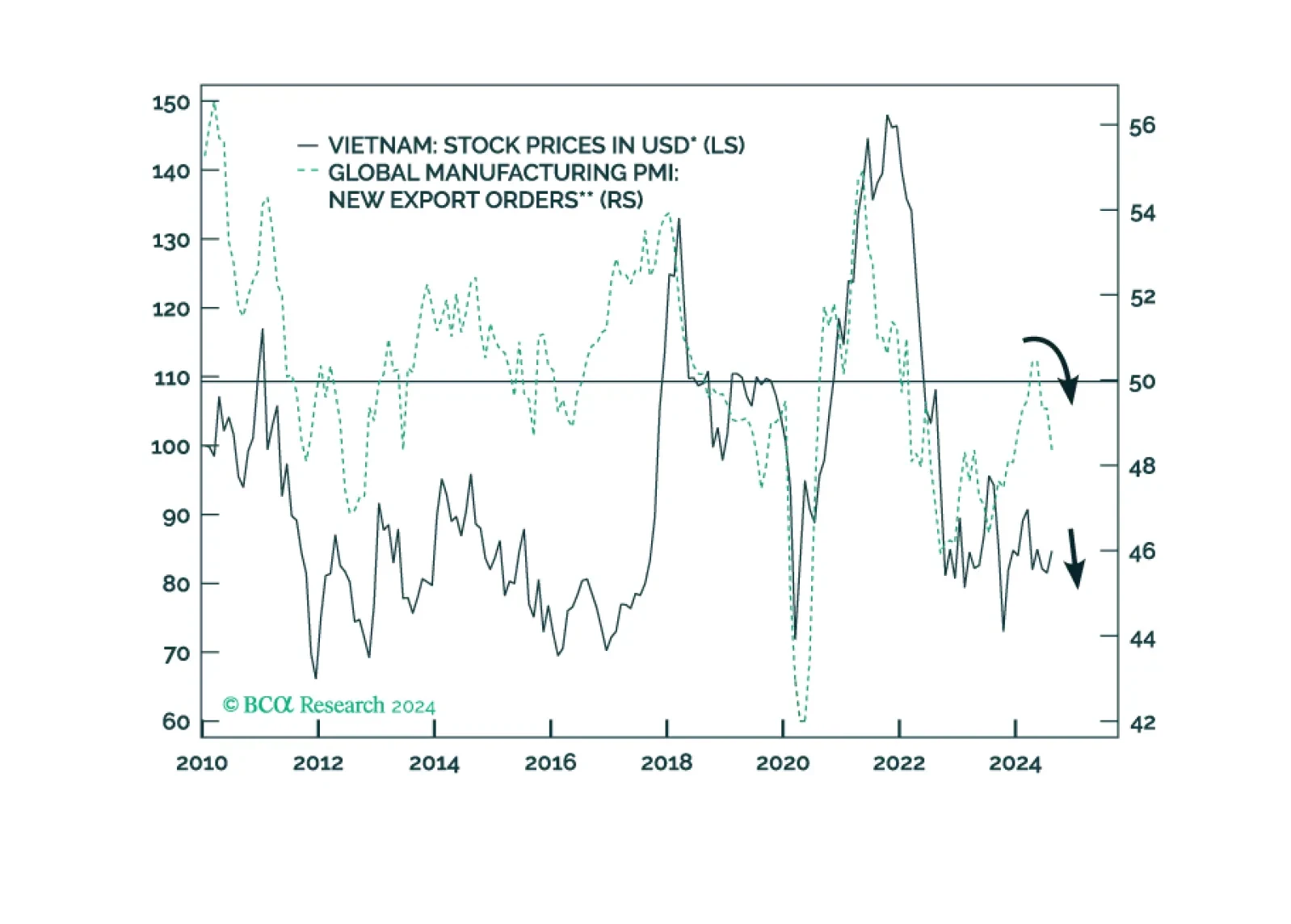
The Vietnamese economy is growing at a strong 7%. Why, then, are Vietnamese stocks struggling? Should investors expect a revival soon?


The US suffers from enough imbalances to produce a mild recession. Unfortunately, such a recession could lead to a significant bear market in stocks, just as it did during the very mild 2001 recession.
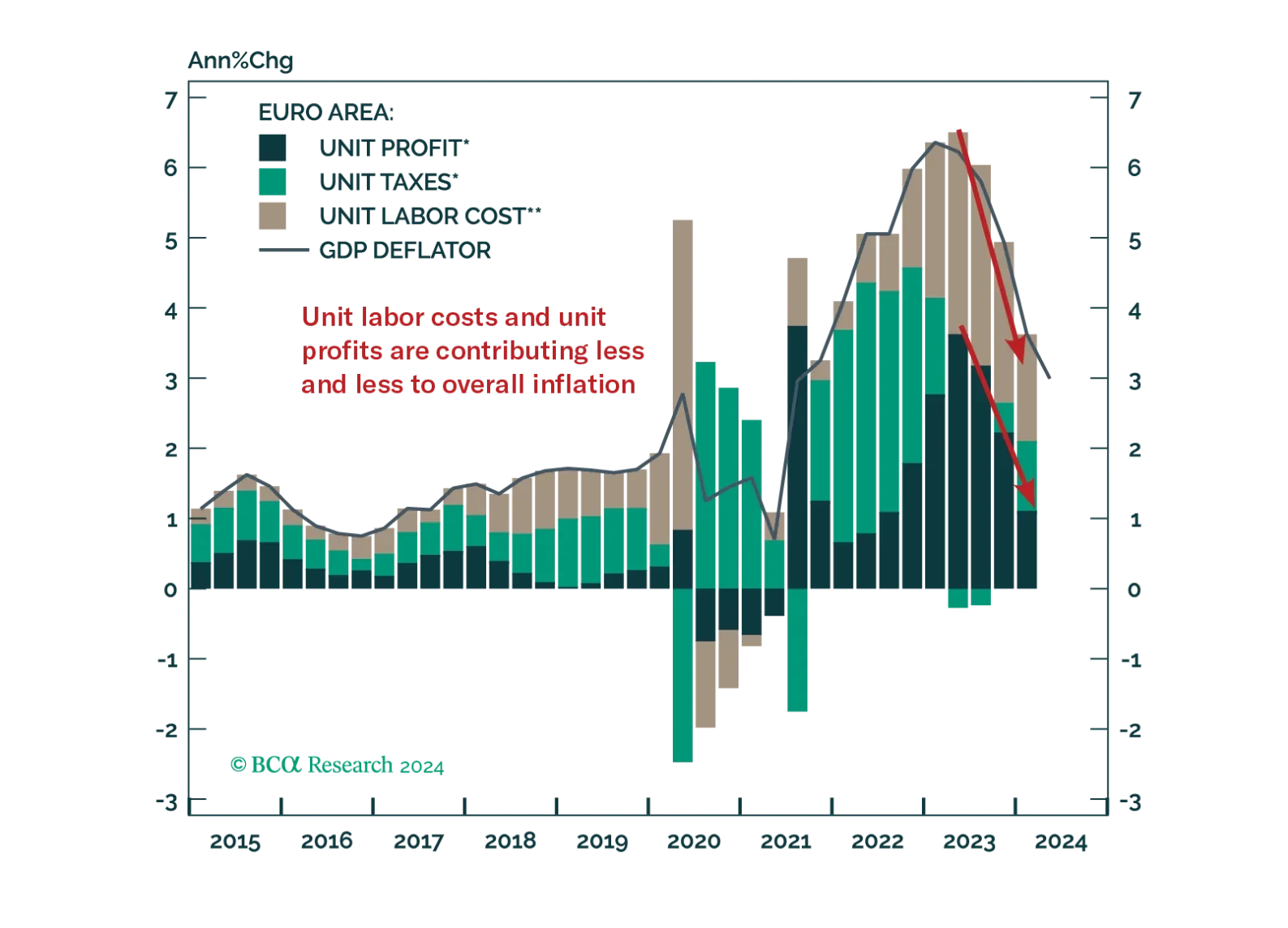
The ECB will cut rates once more this year; however, markets underprice how far it will ease next year.