Latest from BCA Research
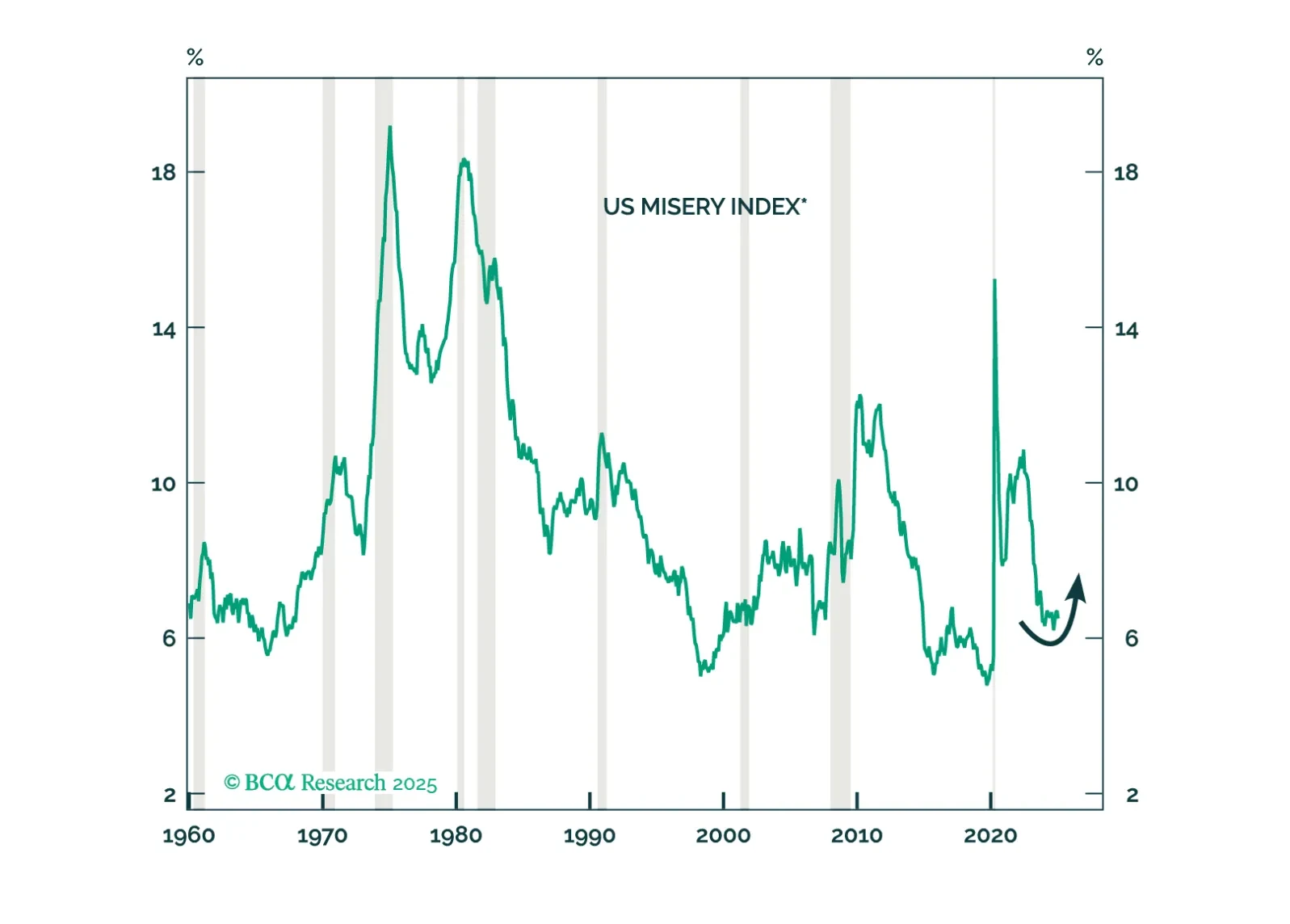
President Trump may not avoid recession. If he does, he faces stagflation, given tariffs, counter-tariff stimulus, and the missing ingredient: an oil price spike.

OPEC+ is planning to boost its crude oil output at a time of lingering demand weakness. What is driving this decision? And will Chinese oil consumption – historically a key contributor to global oil demand growth – reaccelerate and justify the coalition’s decision to bring back more supply to the market? This report answers these questions and more.
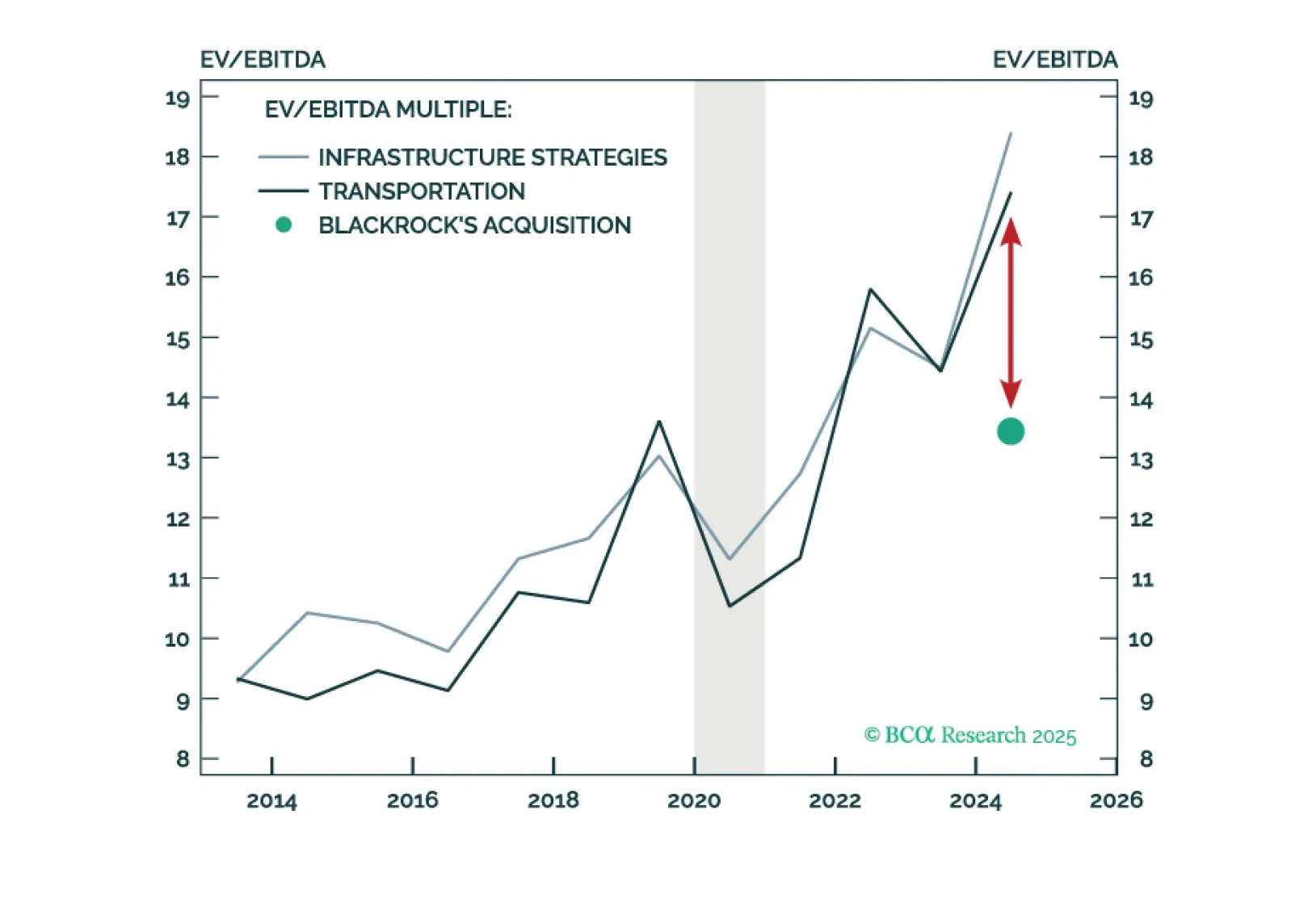
The ports that BlackRock acquired on both sides of the Panama Canal appear to be a bargain in terms of the entry valuation. But are the risks being appropriately compensated? In this prefatory report, we prepare investors for our upcoming Infrastructure reports, which will highlight geopolitical risk factors in this private asset class rarely encountered in others.
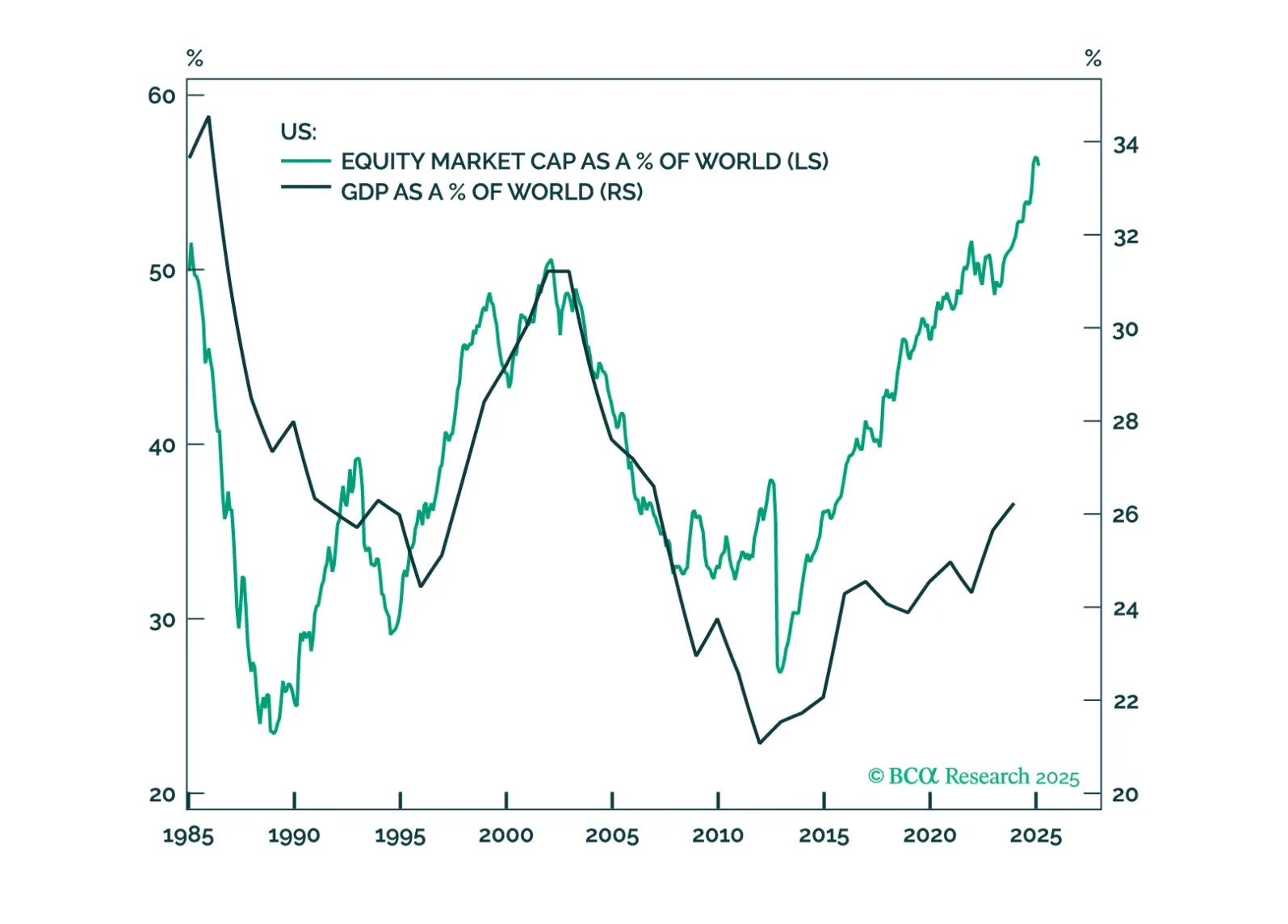
Stock market has continued to sell off as investors try to price President Trump’s trade policy, geopolitical volatility, global manufacturing slowdown, and the apparently cavalier attitude by the White House regarding the risk of a recession. At the same time, it is interesting that the USD and Big Tech have taken a beating – two assets that were supposed to be insulated from the risk of a global trade war. So, what is happening?
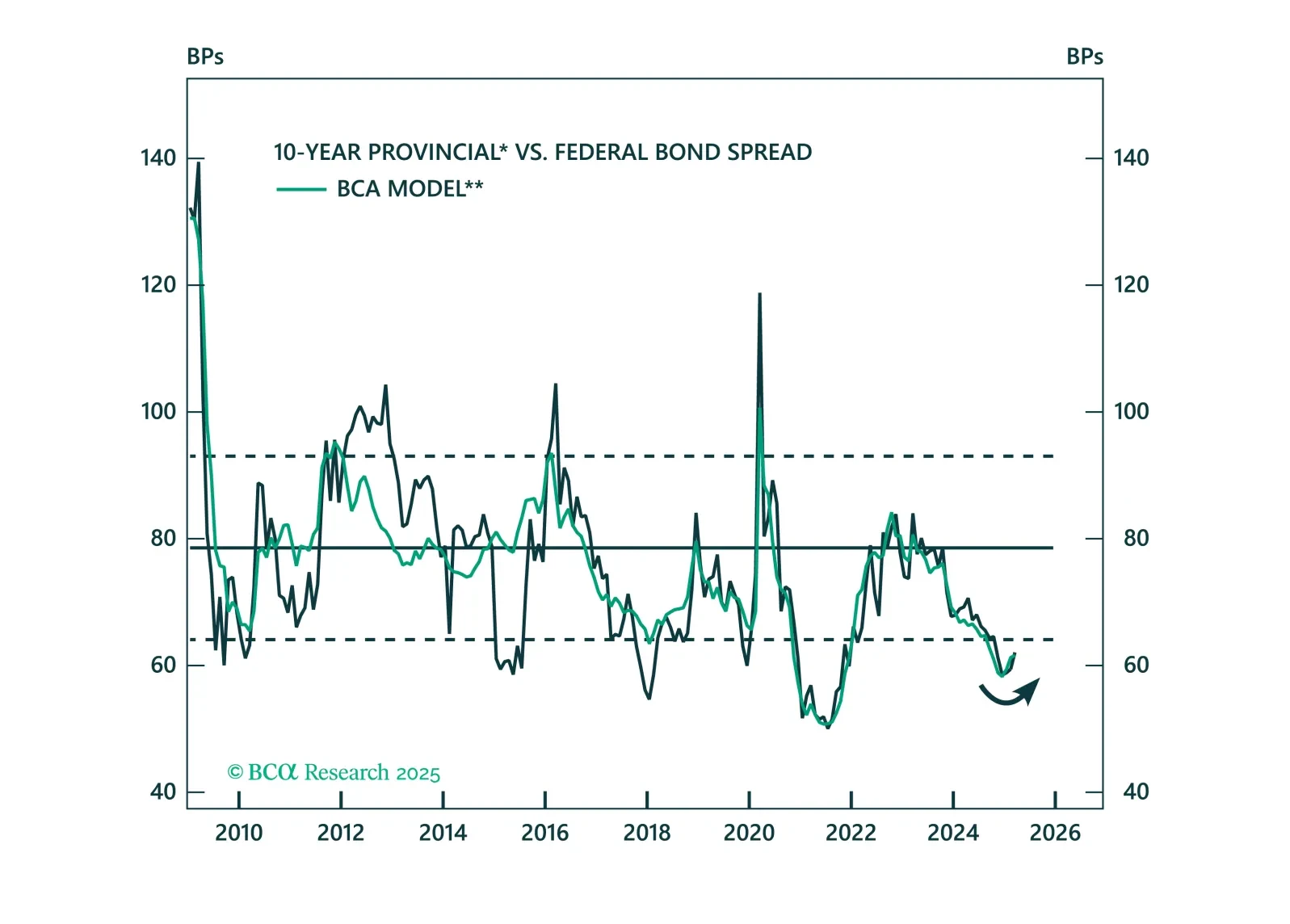
In this report, we explore the Canadian provincial bond market by developing a model to analyze its main drivers and understand the impact of a potential trade war between Canada and the US.
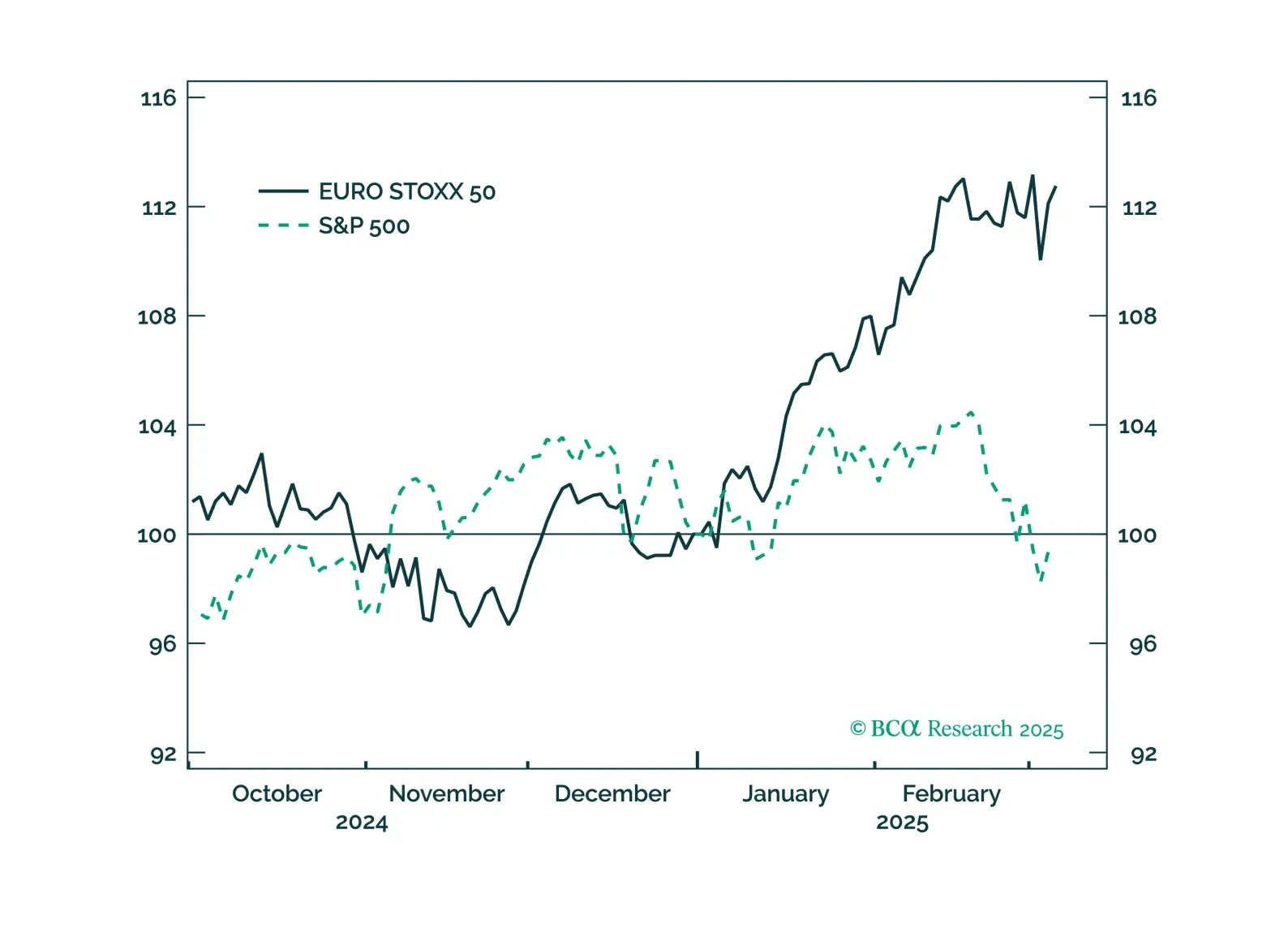
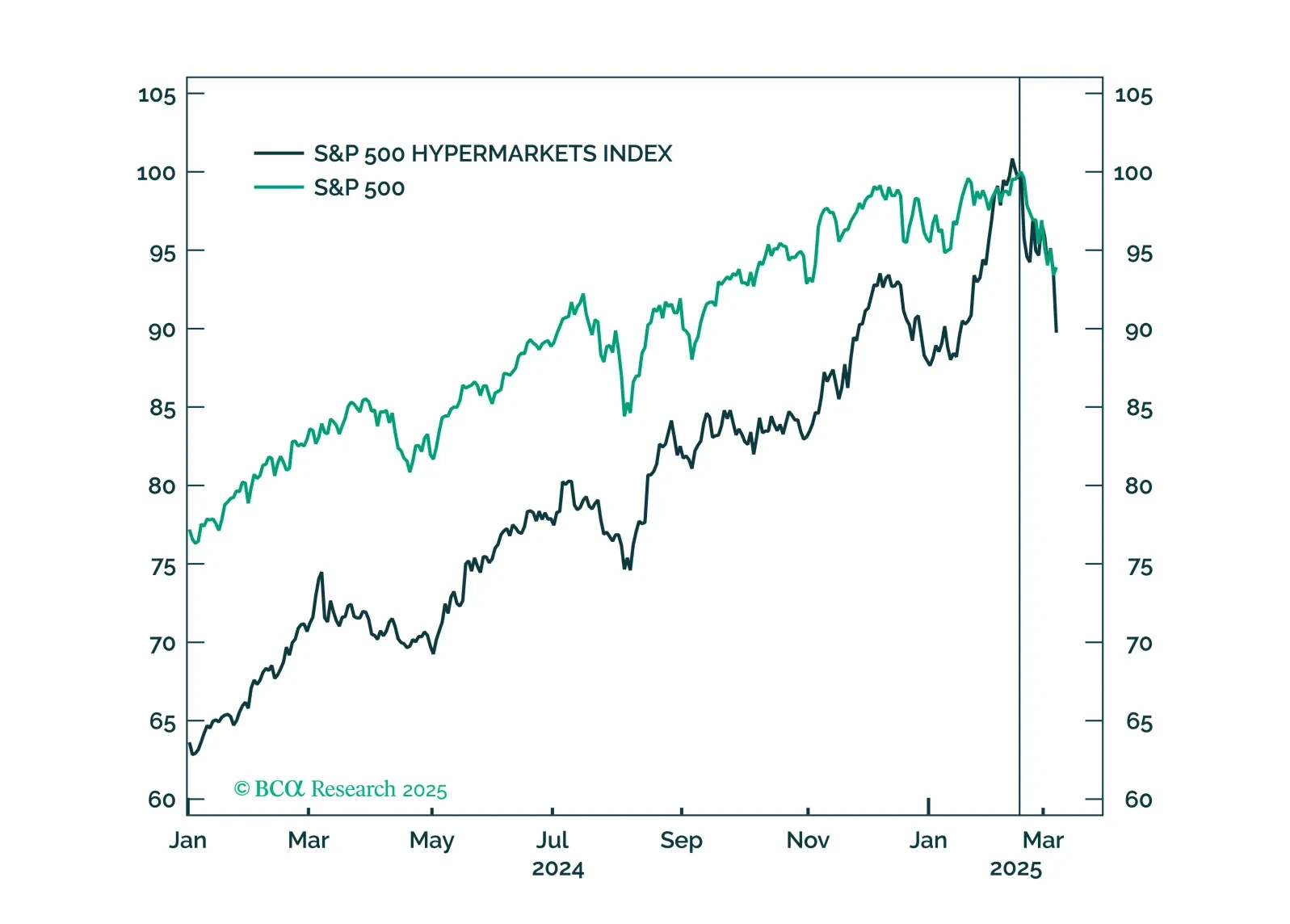
Although there may be a method to DOGE’s 100-mile-an-hour madness, we think the worries and uncertainty stoked by it and on-again, off-again tariff measures have increased the probability of a recession while bringing forward its start date. We are therefore tactically downgrading equities to underweight and upgrading fixed income and cash to overweight. Investors should pursue a defensive posture.
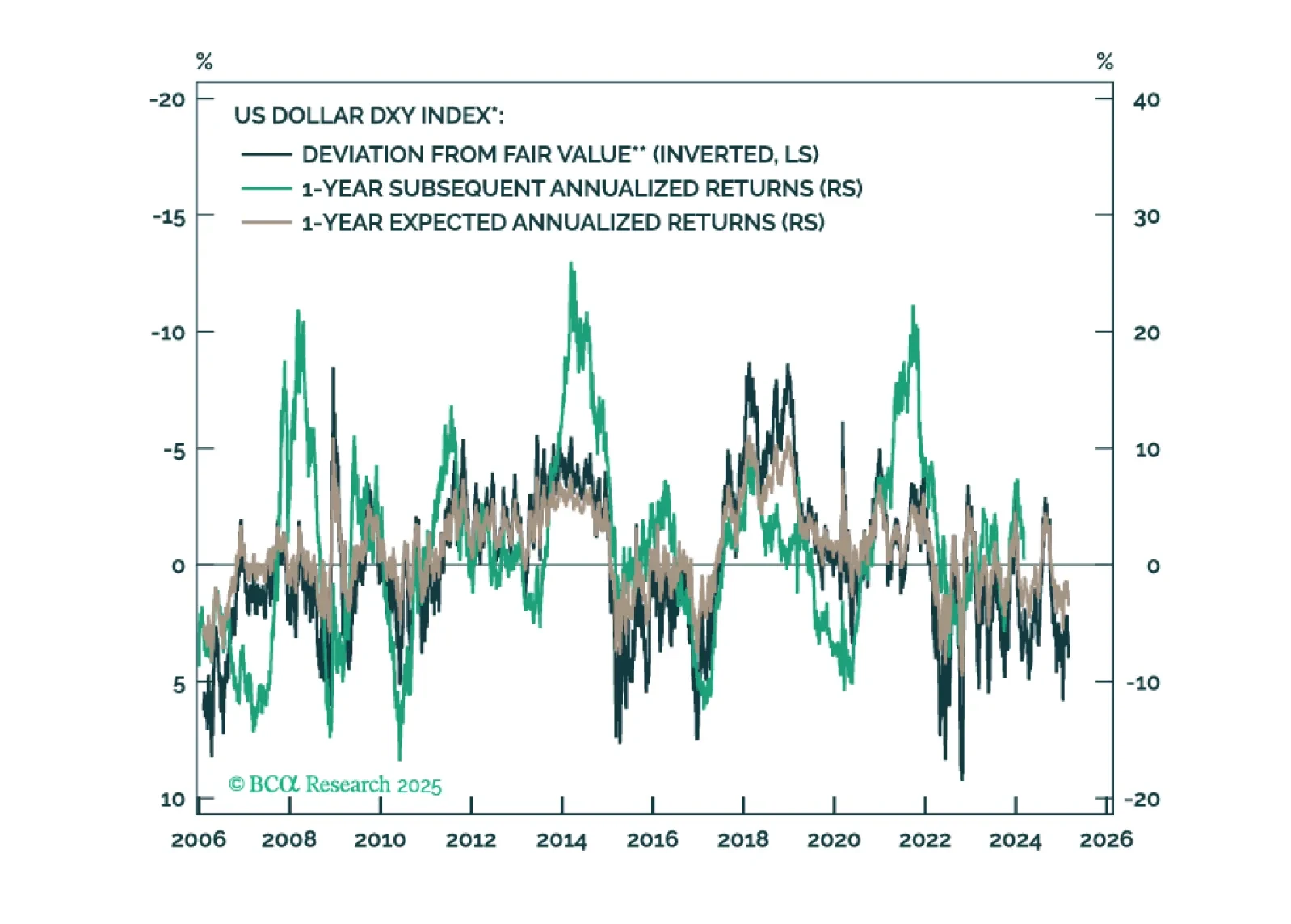
This report is our Part III series on valuation and subsequent returns, where we recalibrate our short-term models to emphasize signals over the next nine-to-twelve months. We will henceforth call these models STTM: Short Term Timing Models.
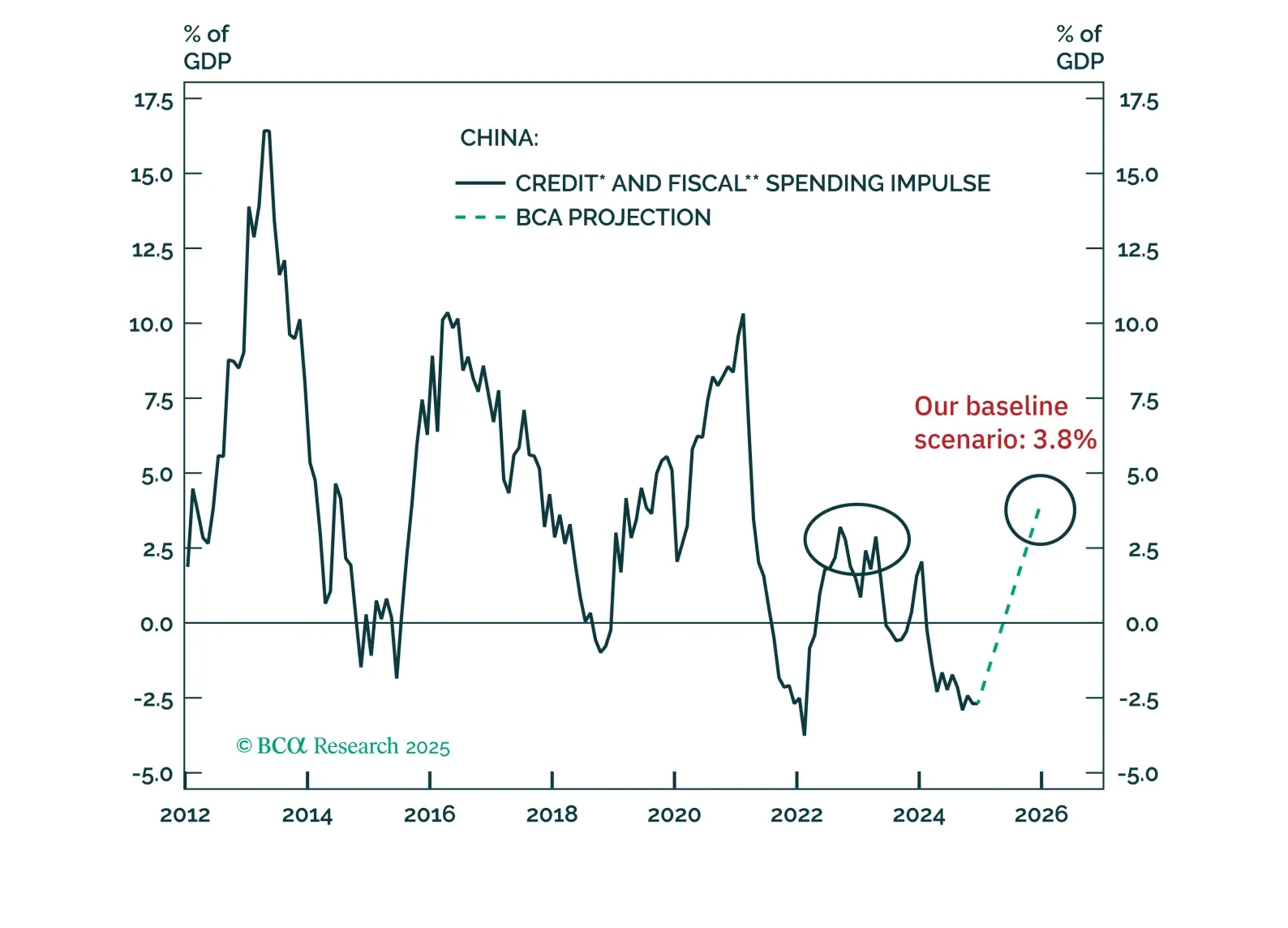
The fiscal stimulus announced at this year’s National People’s Congress is only slightly larger than last year’s. Notably, the details of the measures suggest that it will be challenging for fiscal stimulus to effectively counterbalance the country’s economic difficulties this year.