Latest from BCA Research

The Fed lifted rates 25 bps yesterday while also signaling that the tightening cycle is near its peak. We discuss the short-run and long-run implications for Treasury yields.
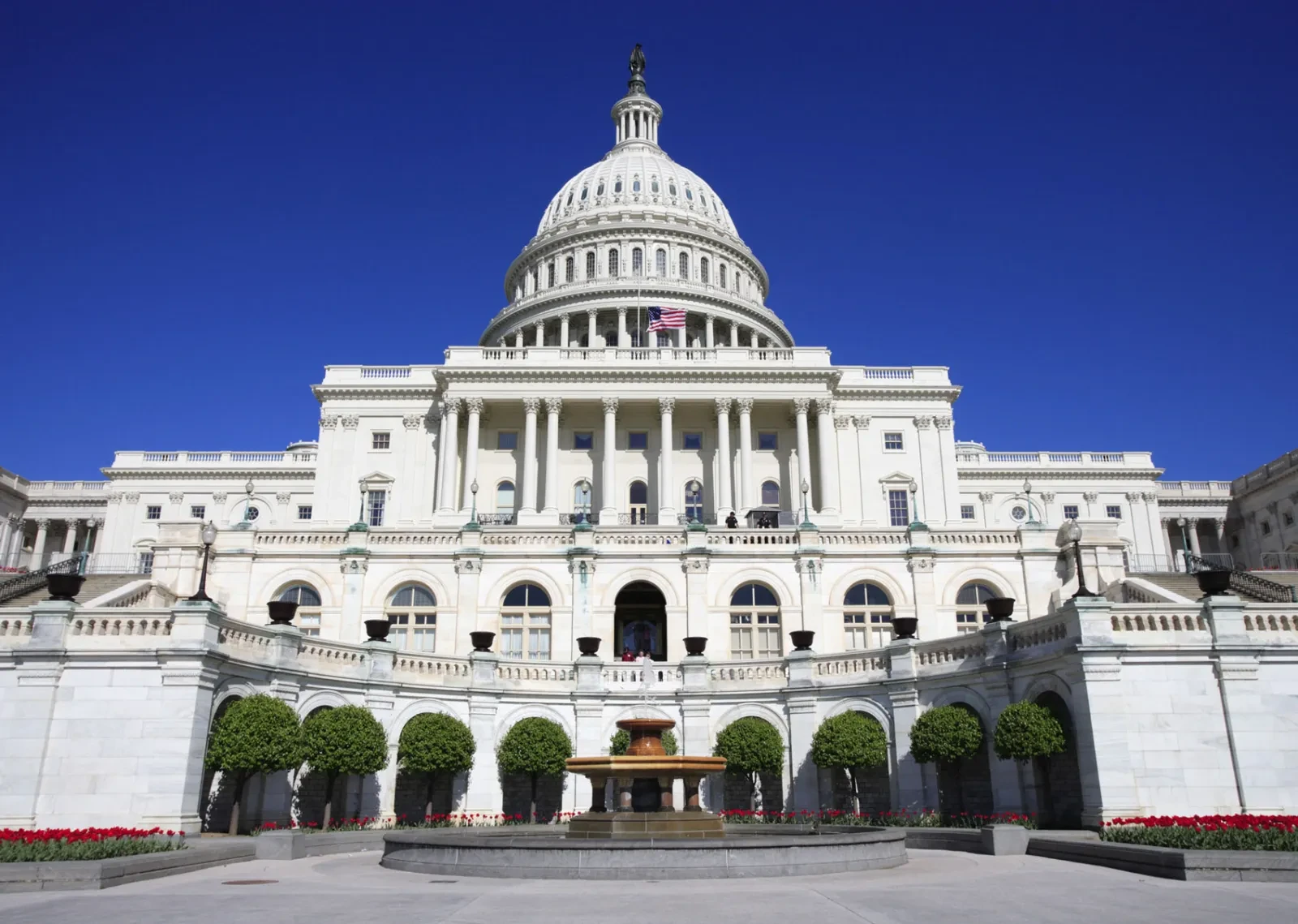
US financial instability reinforces our bearish investment outlook by weighing on economic growth and corporate earnings while also increasing US policy uncertainty and geopolitical risk.

Have global equity markets reached a riot point? Is the Fed going on hold a sufficient condition for stocks to stage a cyclical rally? If not, what would be needed to produce such a rally? Does the Fed’s recent balance sheet expansion foreshadow a rise in the US money supply? This report provides answers to all these questions.

Systematically important central banks continue to compound policy errors, which will feed higher headline inflation. Hiking interest rates to induce labor-market slack – i.e., higher unemployment – to bring down core inflation will reduce demand for scarce commodities as incomes fall. It also will increase the cost of conventional and renewable capex and slow the final-investment-decision (FID) process. Net, supply will tighten as demand is squeezed. This will resolve itself in higher volatility and prices. Separately, we were stopped out of our XOP and XME ETFs spanning energy and mining equities, respectively, with a loss of 11.9% and a gain of 4.4%. We will be re-establishing these exposures at tonight’s close.

This week’s report looks at the banking crisis within the context of shrinking dollar liquidity and implication for FX markets.



Monetary tightening has brought the vulnerabilities of the mid-size banks into the spotlight, and their peril will weigh on economic growth. Therefore, we favor defensives over cyclicals. We also downgrade Banks to underweight from neutral as the industry faces multiple headwinds, ranging from slowing demand for loans to regulatory scrutiny.

