Latest from BCA Research
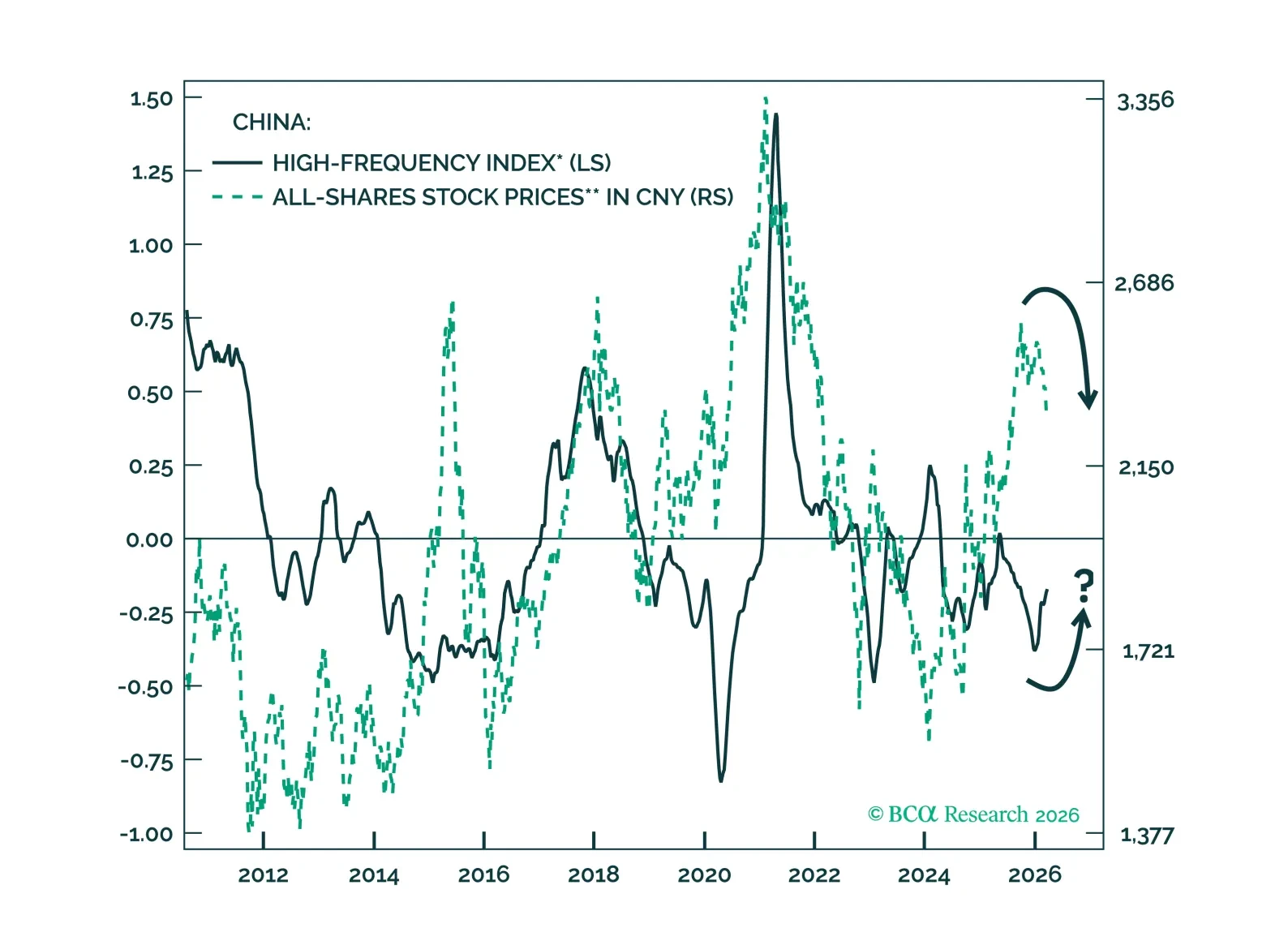
Chinese stock prices are converging with economic growth after a 2025 rally. While the country can endure a short-term oil price shock, it remains susceptible to extended supply disruptions and a global slowdown.

When the fog of war is thick investors need hard facts and data to cut through the uncertainty. Unfortunately, when it comes to physical commodities, publicly available macro data obscures the reality of moving molecules around the world. Thankfully, we at BCA Research have spent the past eight decades building relationships with clients who do all sorts of things for a living. These folks may rely on us for help with the macro context, but they are all experts in their own subsets of the financial industry.
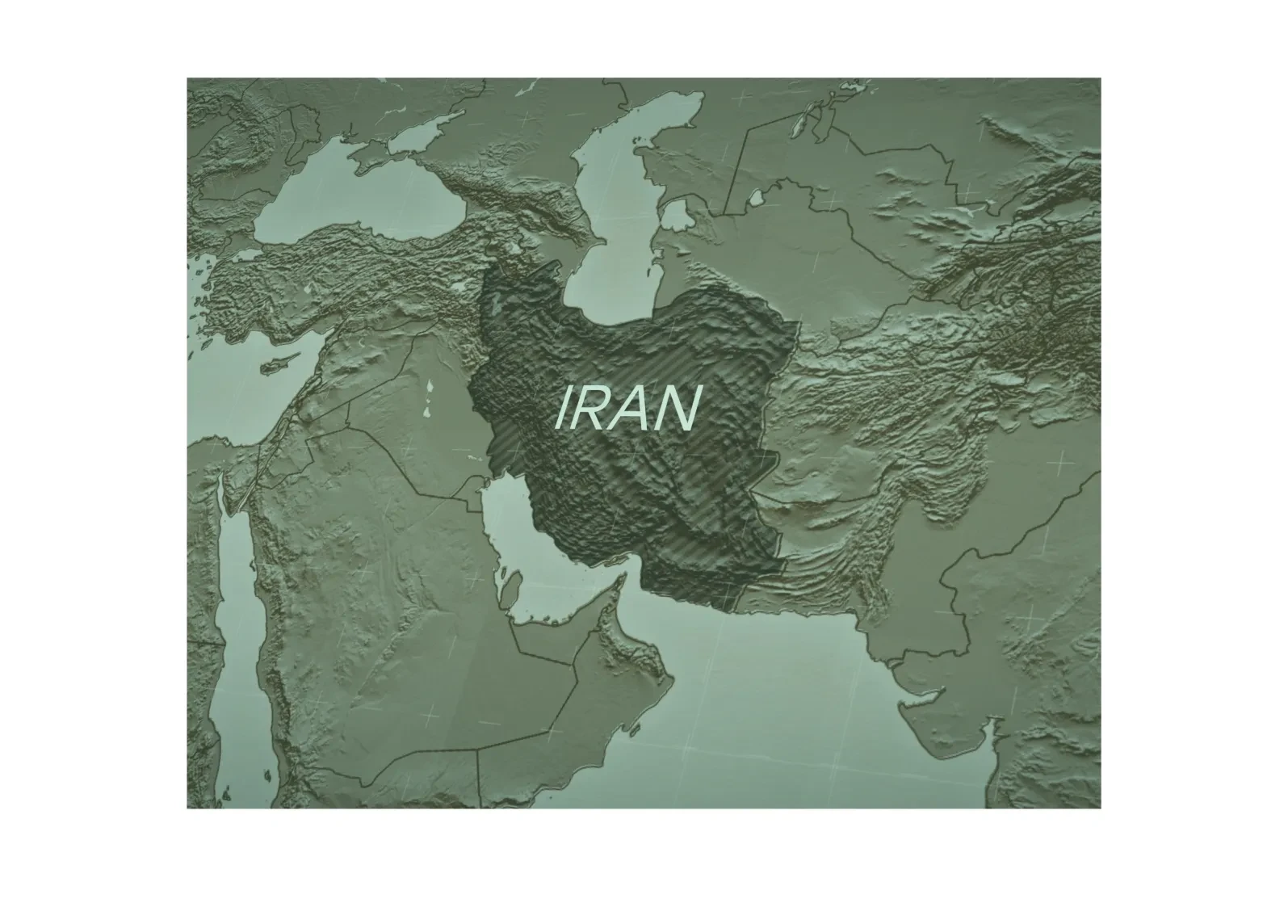
President Trump offered to deescalate the conflict in the Middle East on March 23. In a series of wide-ranging comments, President Trump said that regime change had already been achieved, that negotiations with Tehran were progressing, and that he was pausing his threat to target Iranian energy infrastructure for five days.
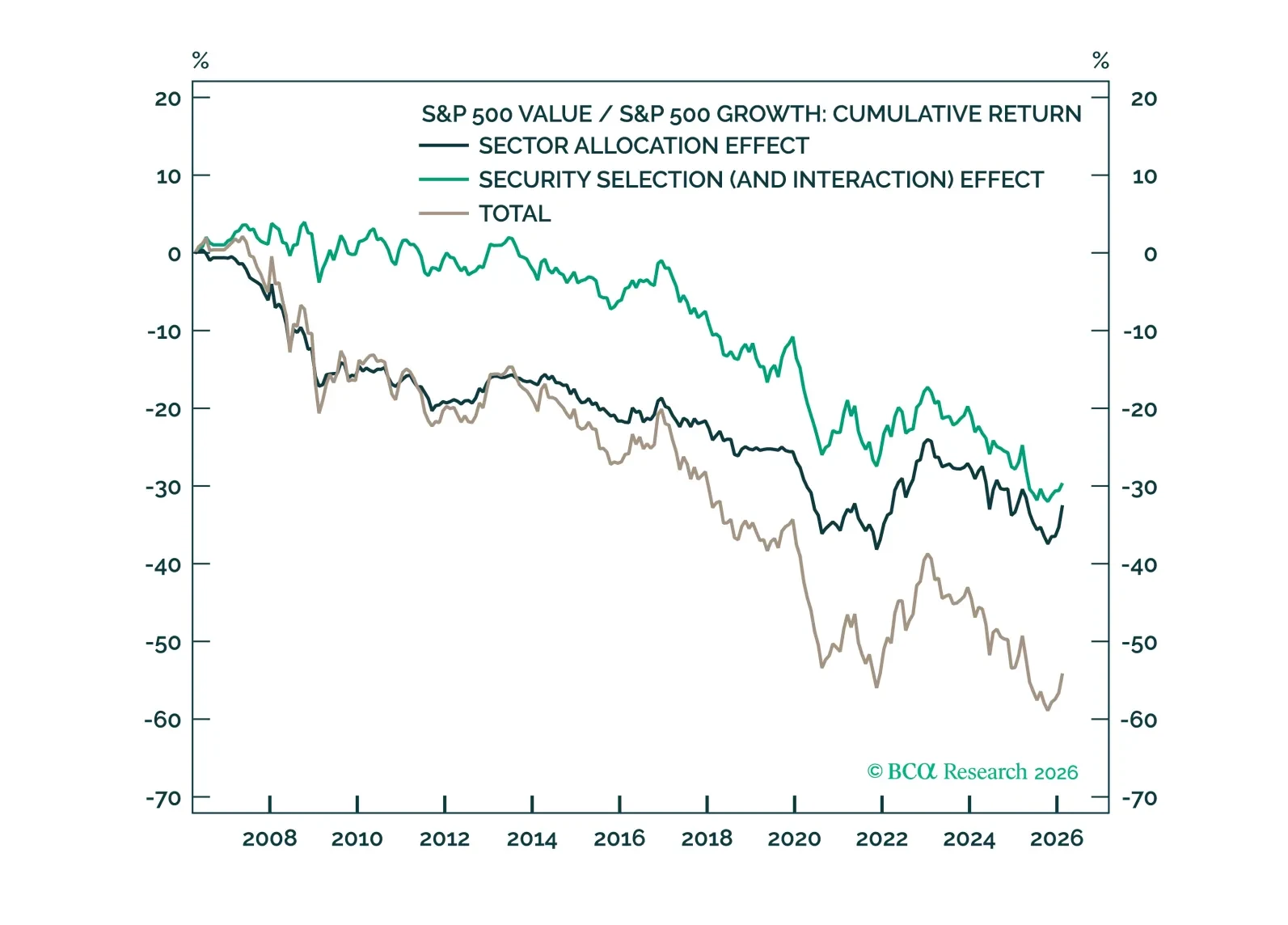
Although Value has had a meaningful run, the longer-run Growth trend likely remains intact. However, benchmark Growth indices are increasingly concentrated. Sector-neutral and within-sector implementations may allow investors to retain much of the same Growth/Value exposure while reducing dependence on technology and limiting concentration risk.
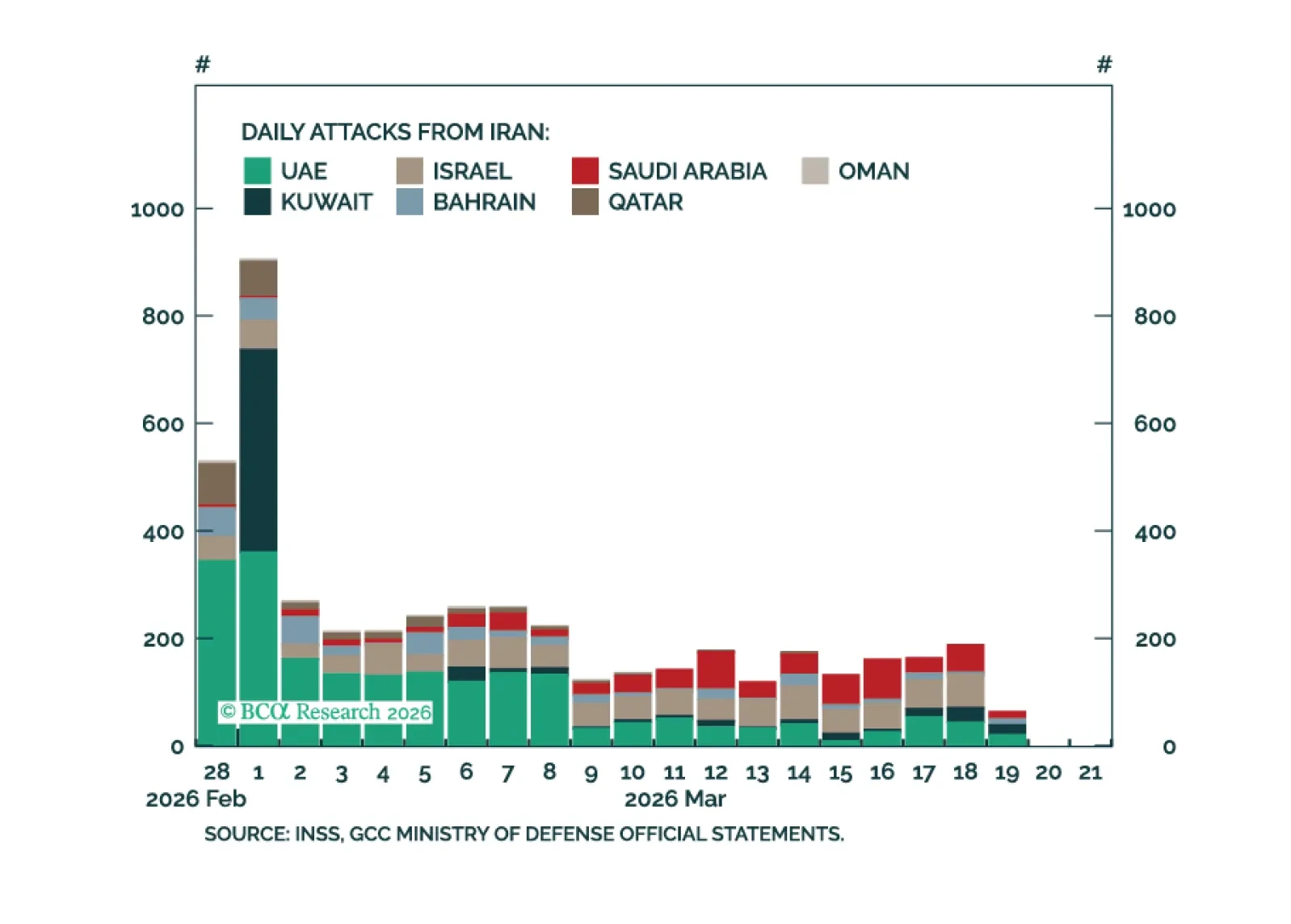
The war in the Persian Gulf has achieved a temporary balance thanks to the Cold War-era Mutual Assured Destruction (MAD) logic. After Israel attacked Iran’s South Pars natural gas field, Tehran retaliated across the region against energy infrastructure. Specifically, Iran’s attack against Qatar’s Ras Laffan natural gas field has taken approximately 2-3% of global LNG offline for up to the next three years.
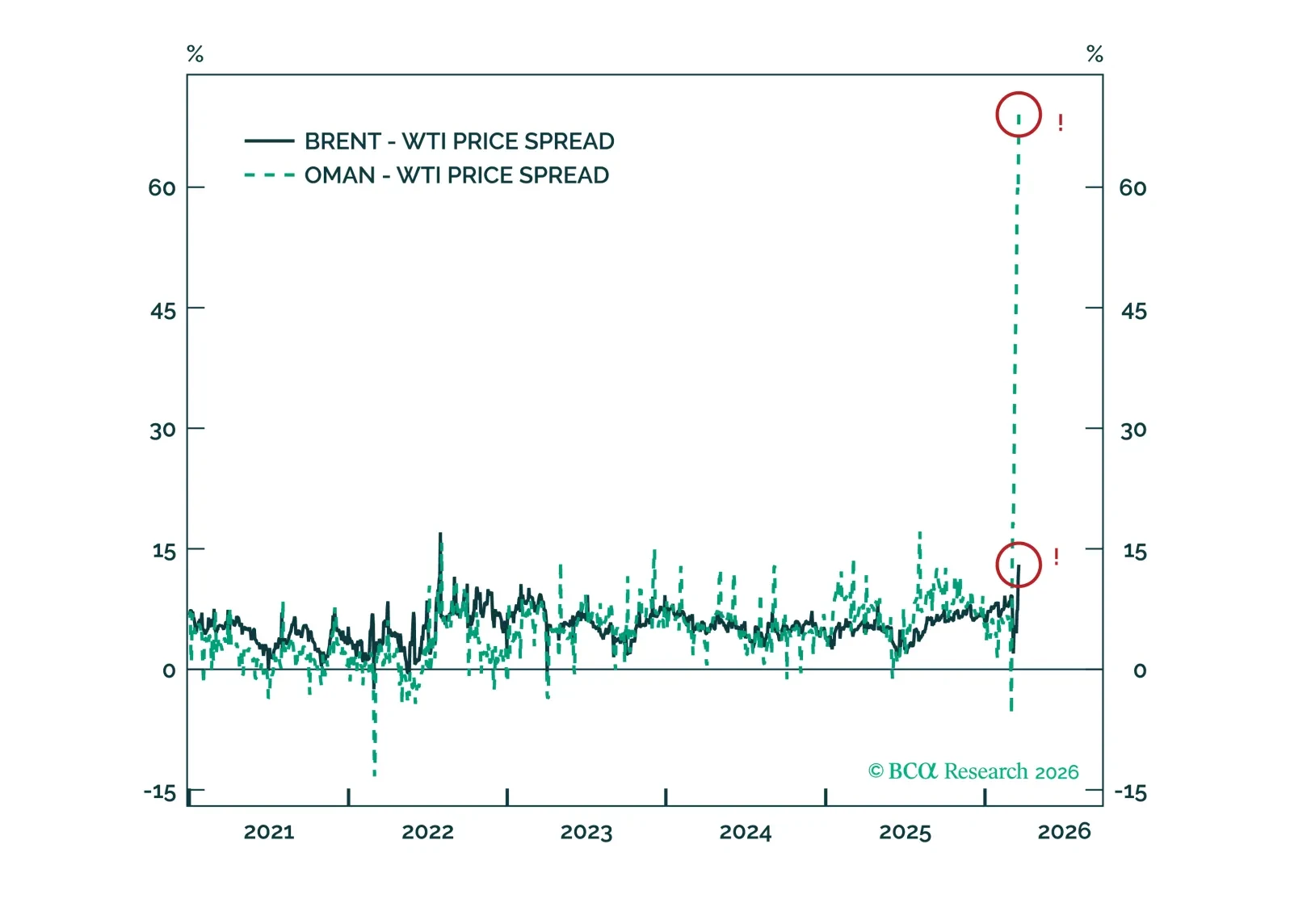
WTI is relatively calm amid the current conflict in the Middle East. Markets are too complacent on US crude relative to other international benchmarks.
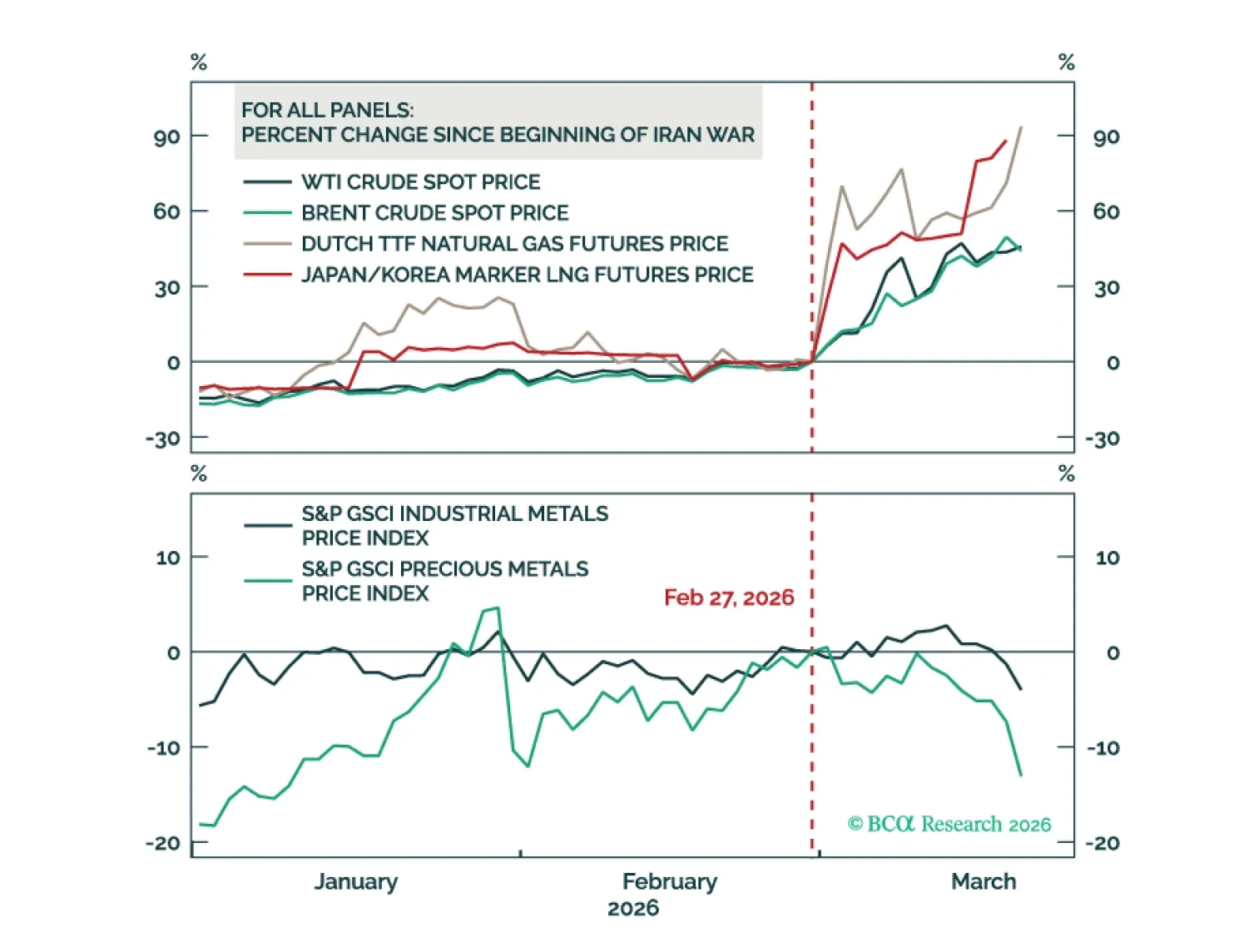
Higher oil prices threaten the global economy, warranting an underweight stance on equities. Over the long haul, industrial metals will fare better than crude.
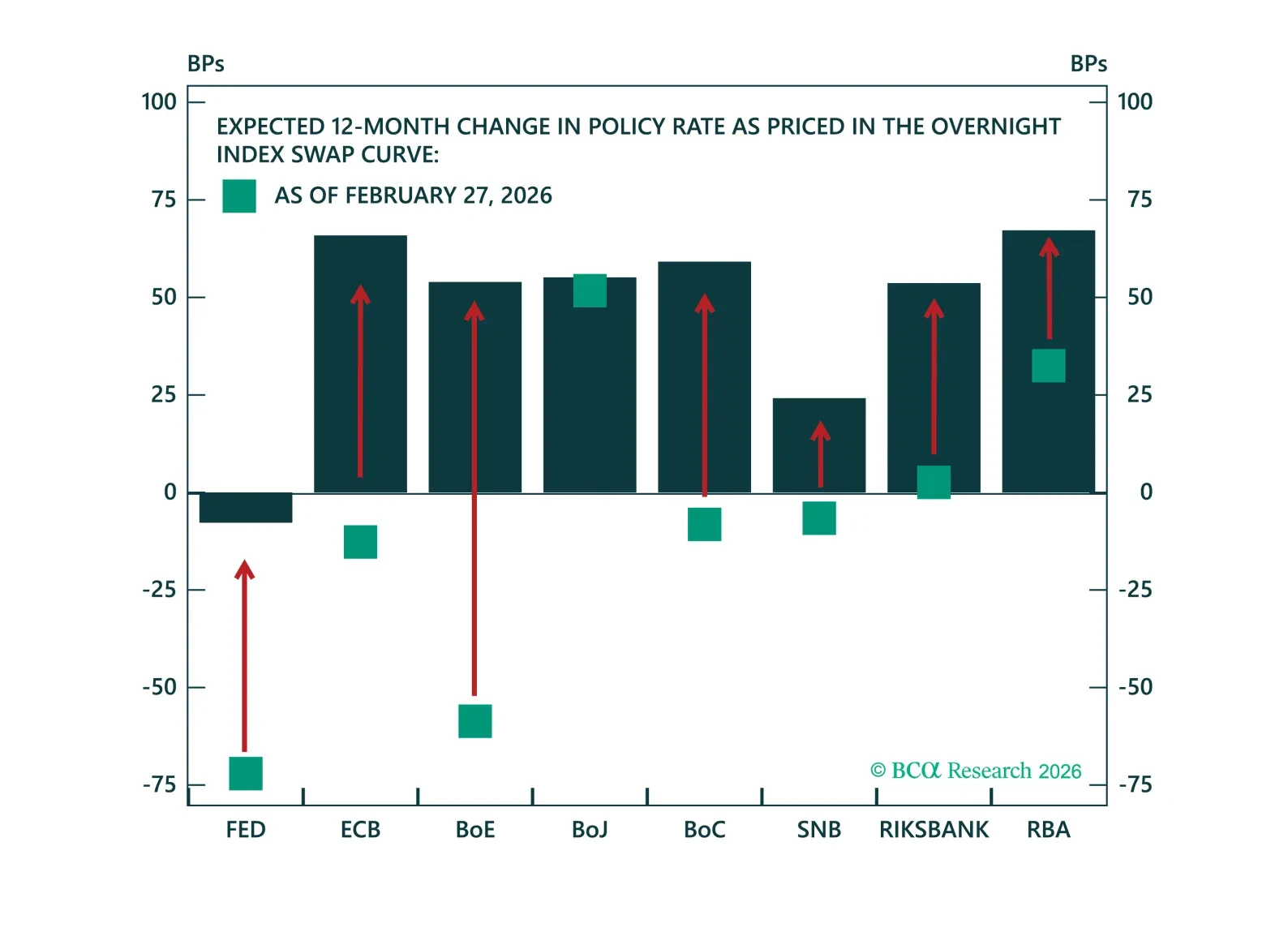
We discuss the takeaways from this week’s central bank meetings amidst the unfolding energy price shock.

Forced to choose between growth and inflation, the Fed will save growth and the stock market rather than the 2 percent inflation target and the bond market.
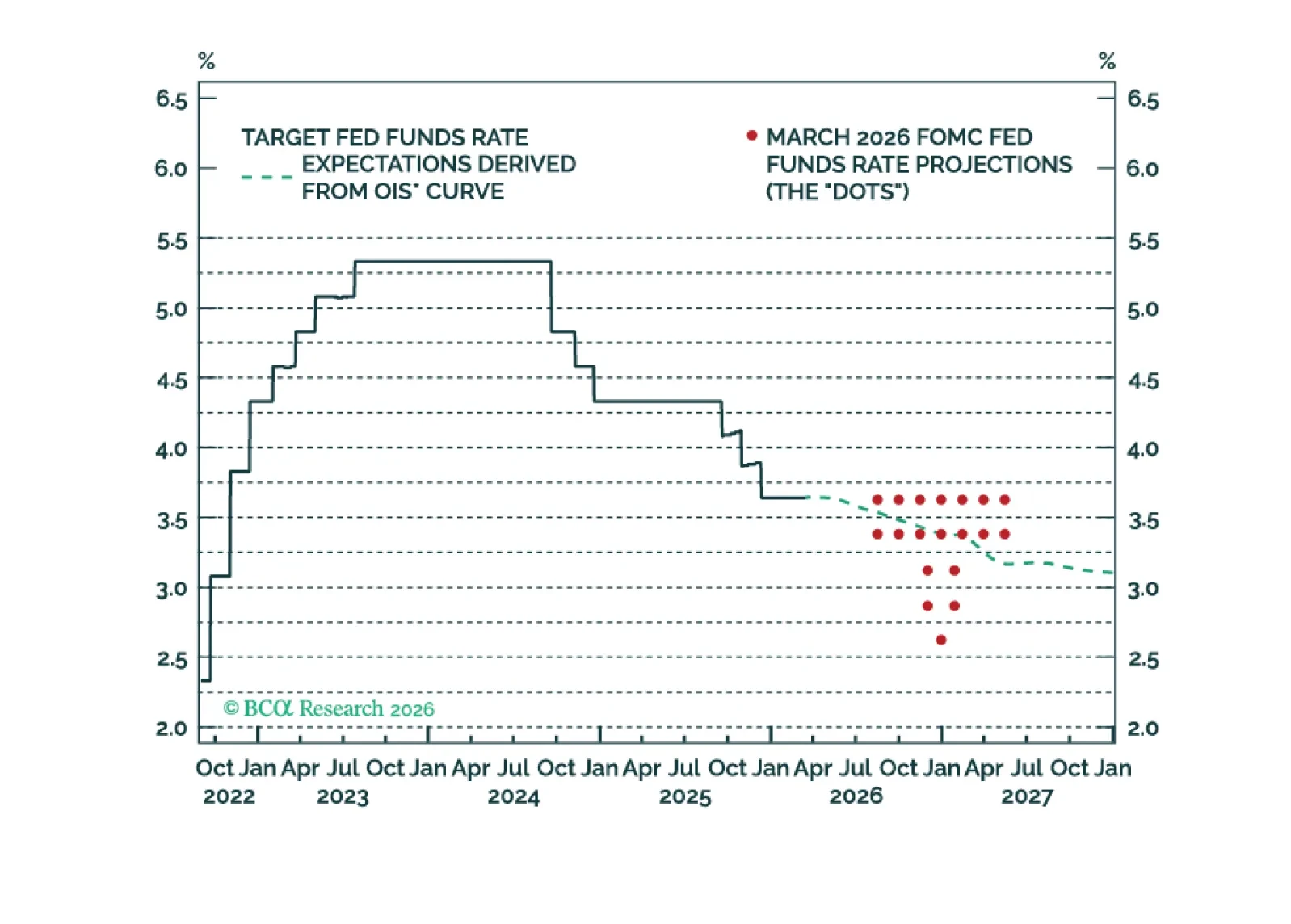
The Fed will not cut rates again until core inflation trends lower. This remains likely as the tariff impact on goods inflation wanes, but the recent energy price shock could delay any meaningful downtrend.