Latest from BCA Research

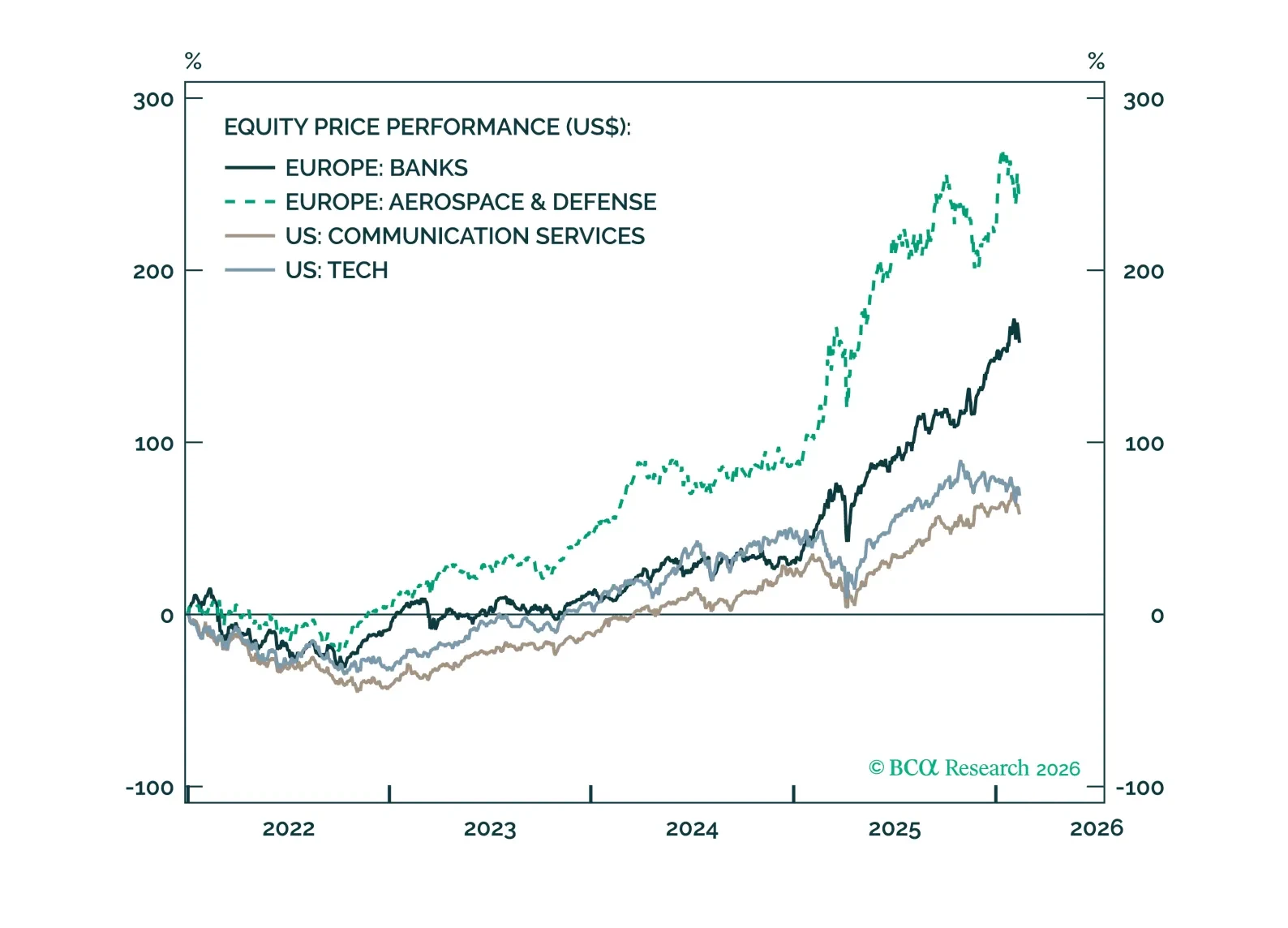
The near-term outlook is less supportive for European banks and defense equities. We downgrade banks to neutral and continue to expect defense stocks to trade in a “sell the rumor, buy the news” pattern.

The annual benchmark payrolls revisions revealed that the labor market has been weaker for longer than initially reported. The probability that a crack in consumption is just around the corner is much reduced and we have therefore dialed back our recession expectations. Though our asset allocation recommendations remain neutral across the board, we are more optimistic than we were at the beginning of the year.
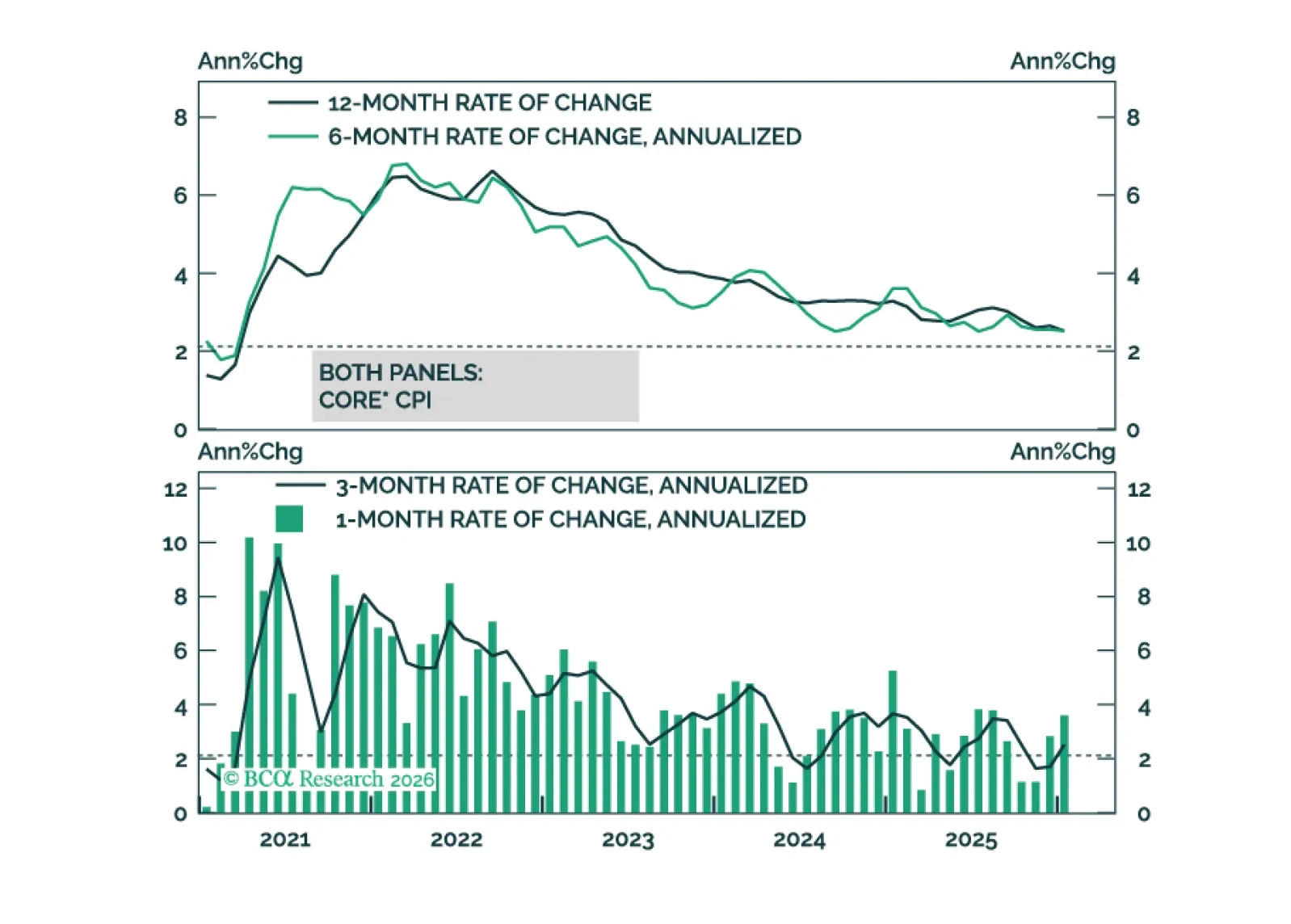
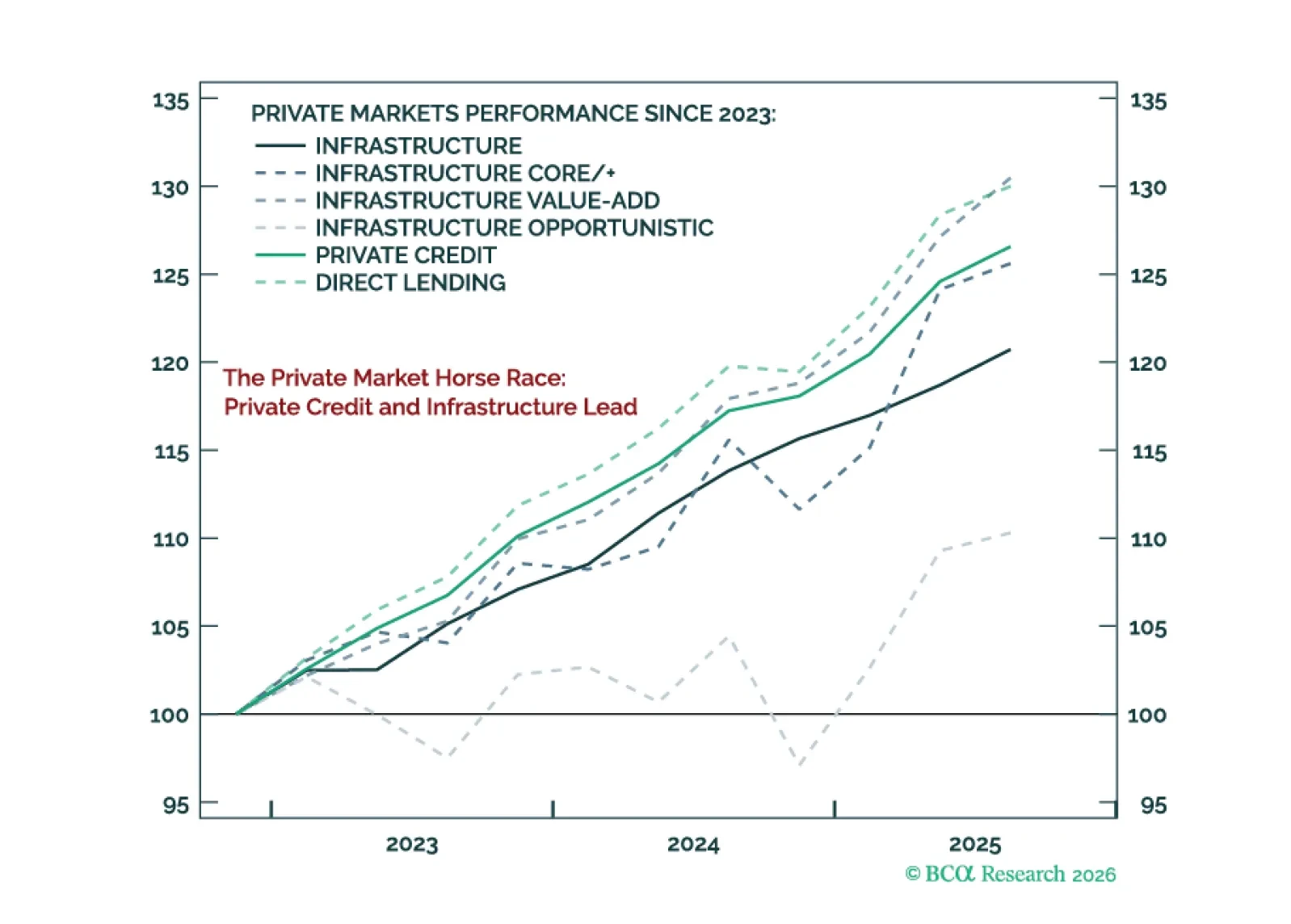
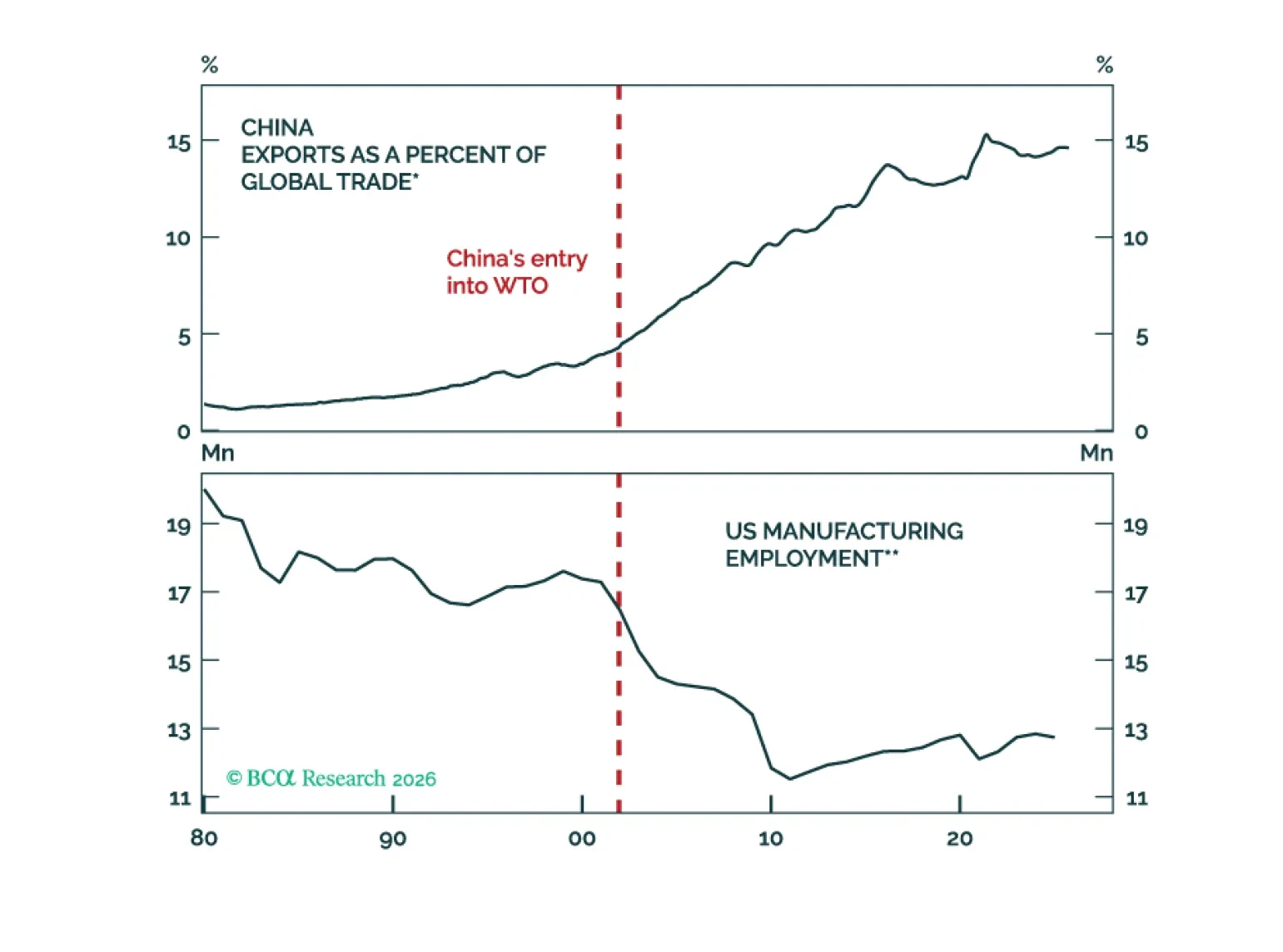

The Warsh Fed will run the US economy hot. This is bad for T-bonds and the dollar, but good for stocks. Plus, a new tactical trade is overweight Consumer Discretionary (RXI) versus Industrials (EXI).

The January jobs report was unambiguously strong. Although the 172K gain in private payrolls will almost certainly be revised down, the message from the "ratios" was reassuring: The unemployment rate fell for a second straight month, the labor force participation rate increased, the share of workers who are involuntarily part-time declined, and the prime-age employment-to-population ratio rose back to its all-time high. Unlike the payroll survey, the household survey from which ratios are calculated is subject to minimal revisions.
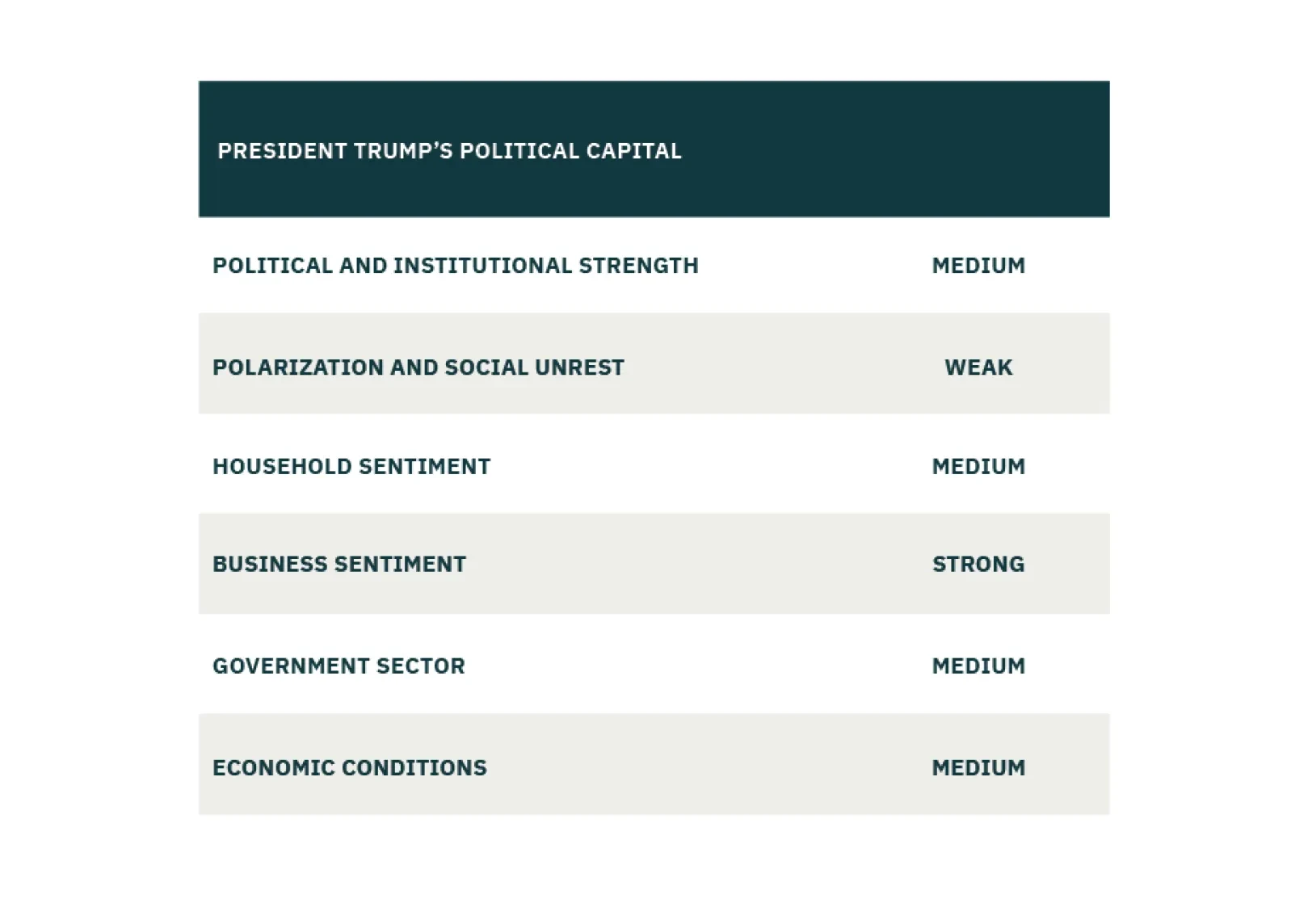
President Donald Trump’s political capital is moderate, as he frontloaded his most disruptive policies within the first year.

The labor market tightened in January, significantly lowering the odds of a H1 2026 rate cut. Rate cuts driven by lower inflation are still likely in H2 2026.