Latest from BCA Research
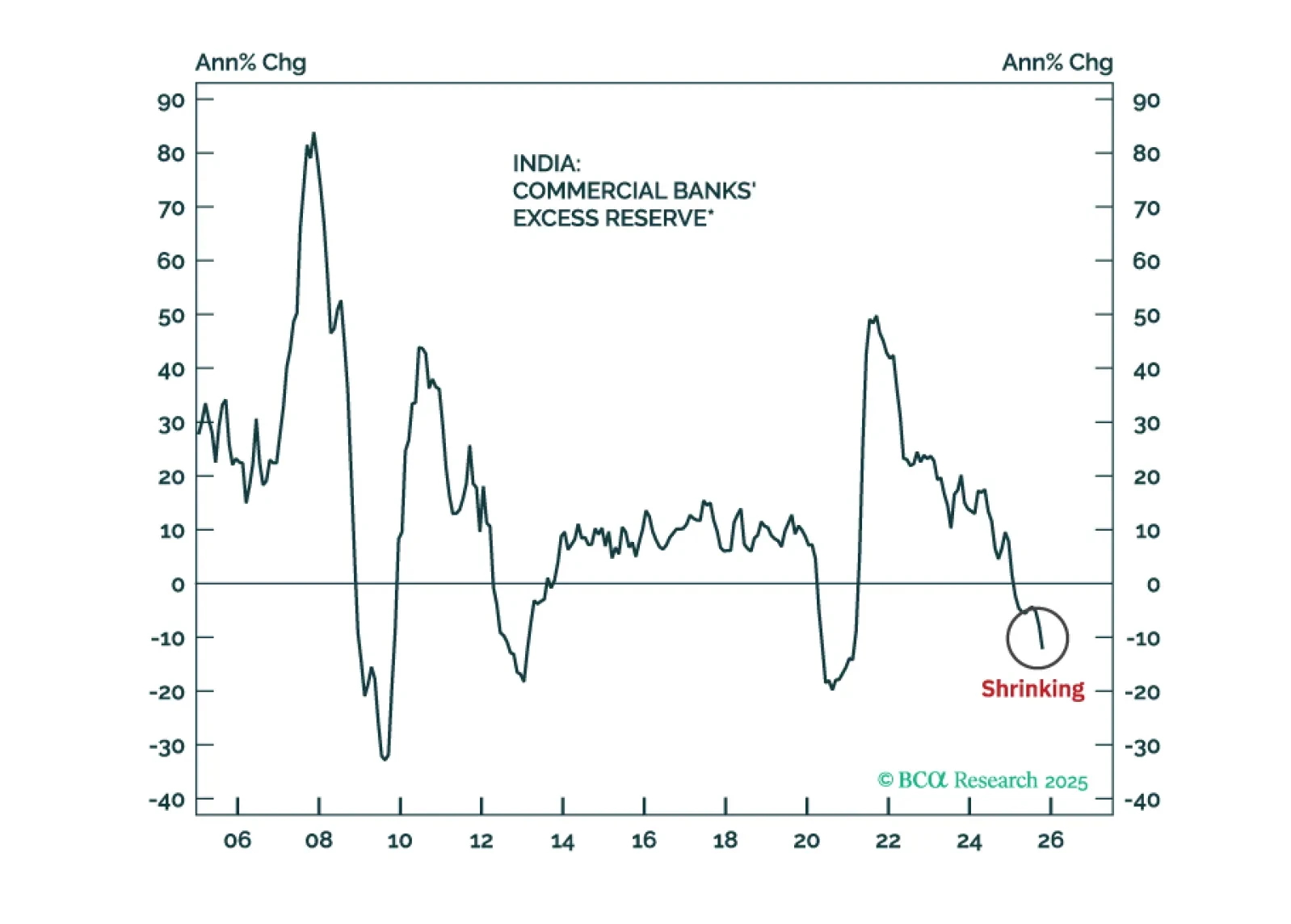
Indian stocks have further downside in absolute terms as profits disappoint. Their underperformance versus the EM equity benchmark, however, is late, which warrants a shift from underweight to neutral allocation.
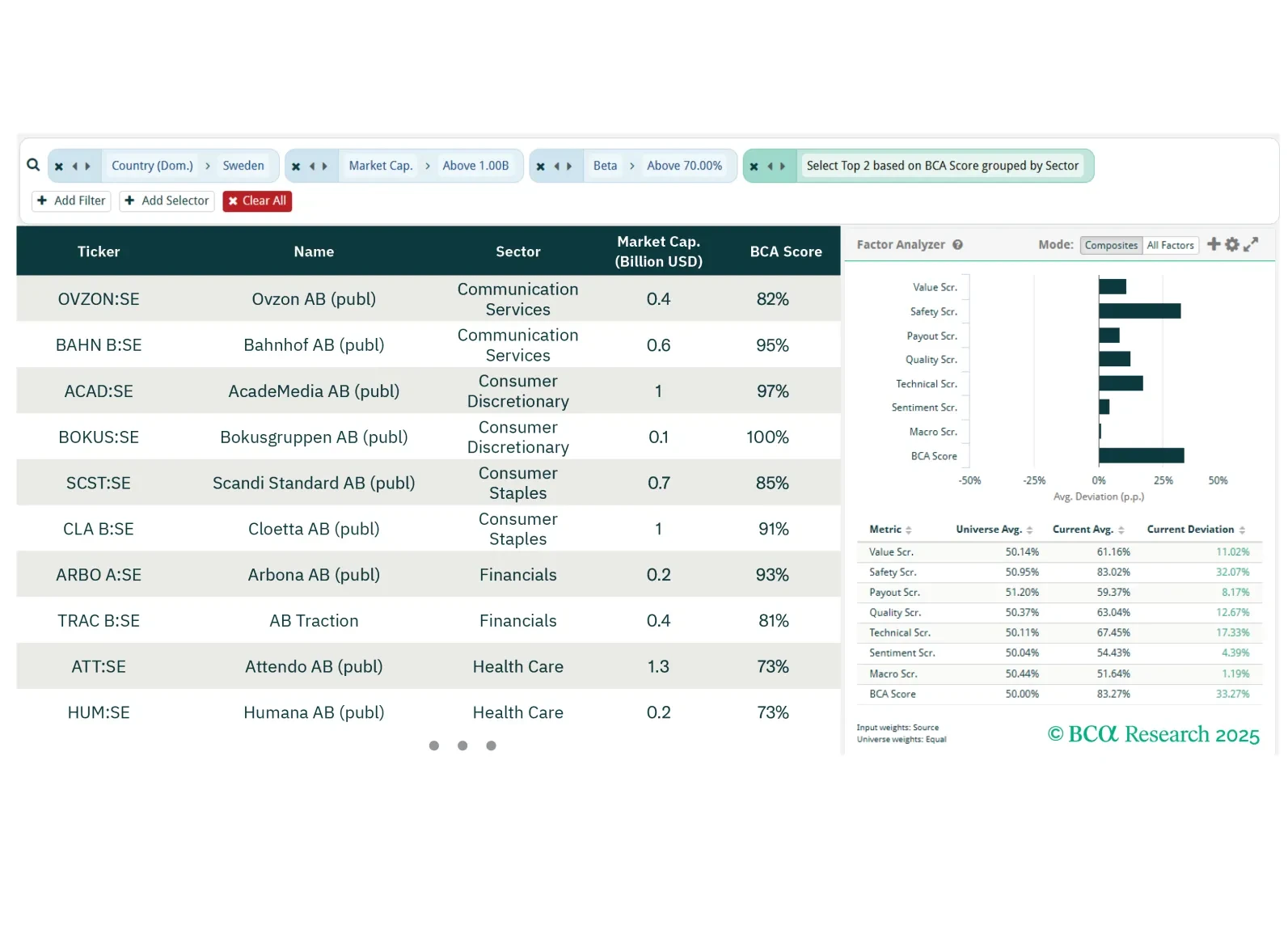
This week, our screeners explore opportunities in the Swedish stock market, Canadian gold-exposed and domestic-focused sectors, and ex-tech GenAI names.

Tariffs are fading in importance as companies successfully mitigate cost pressures and preserve profitability. The recent wave of high-profile layoffs is more concerning, but there does not appear to be a systemic reason behind the announcements. However, emerging labor market softness could pose a major risk for equities. We remain vigilant.

Disparities between households and between companies’ earnings and equity performance are widening, but the overall status quo remains in place. We reiterate our neutral asset class recommendations while watching for early signs of whether activity might break out or break down.
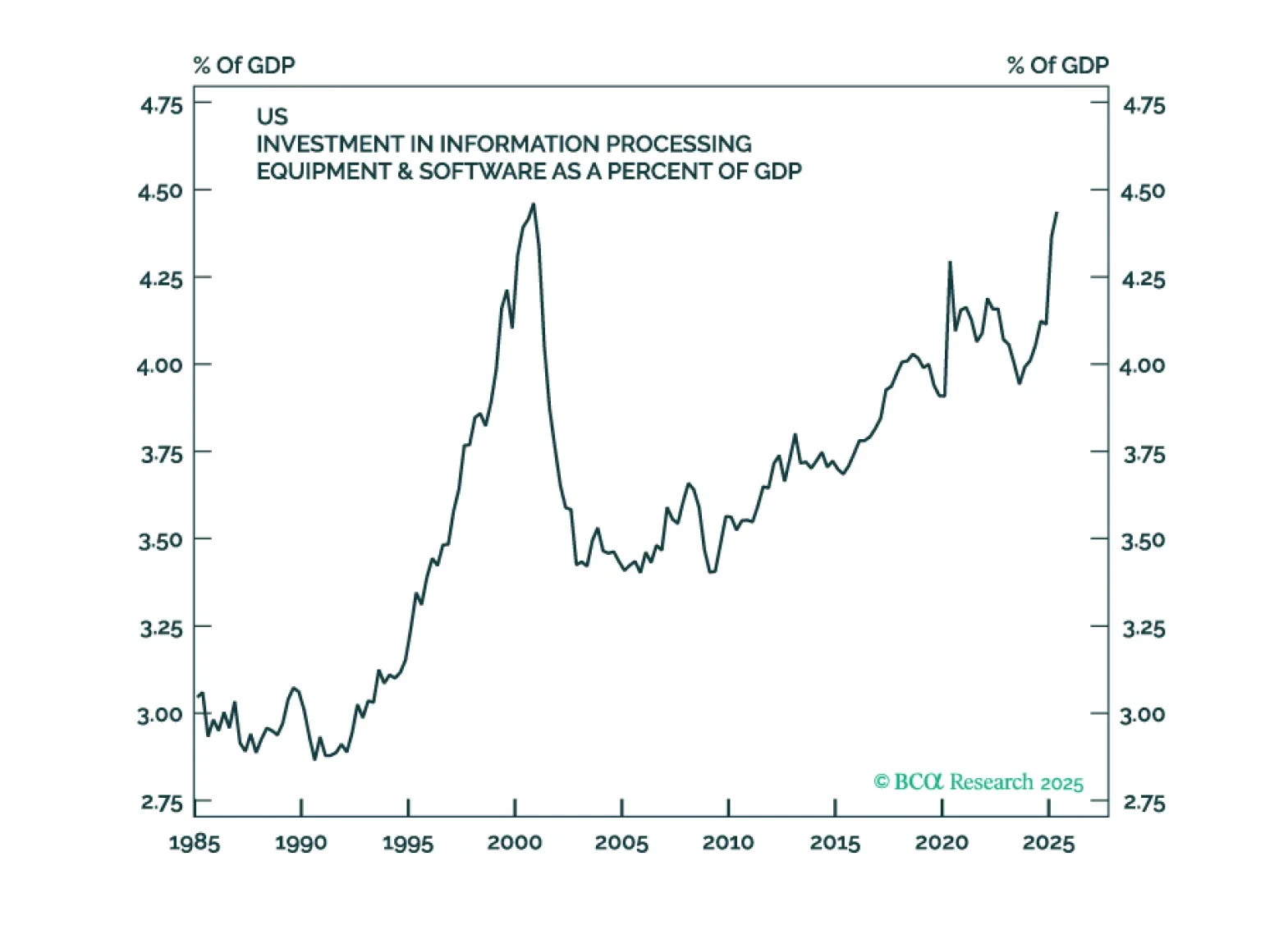
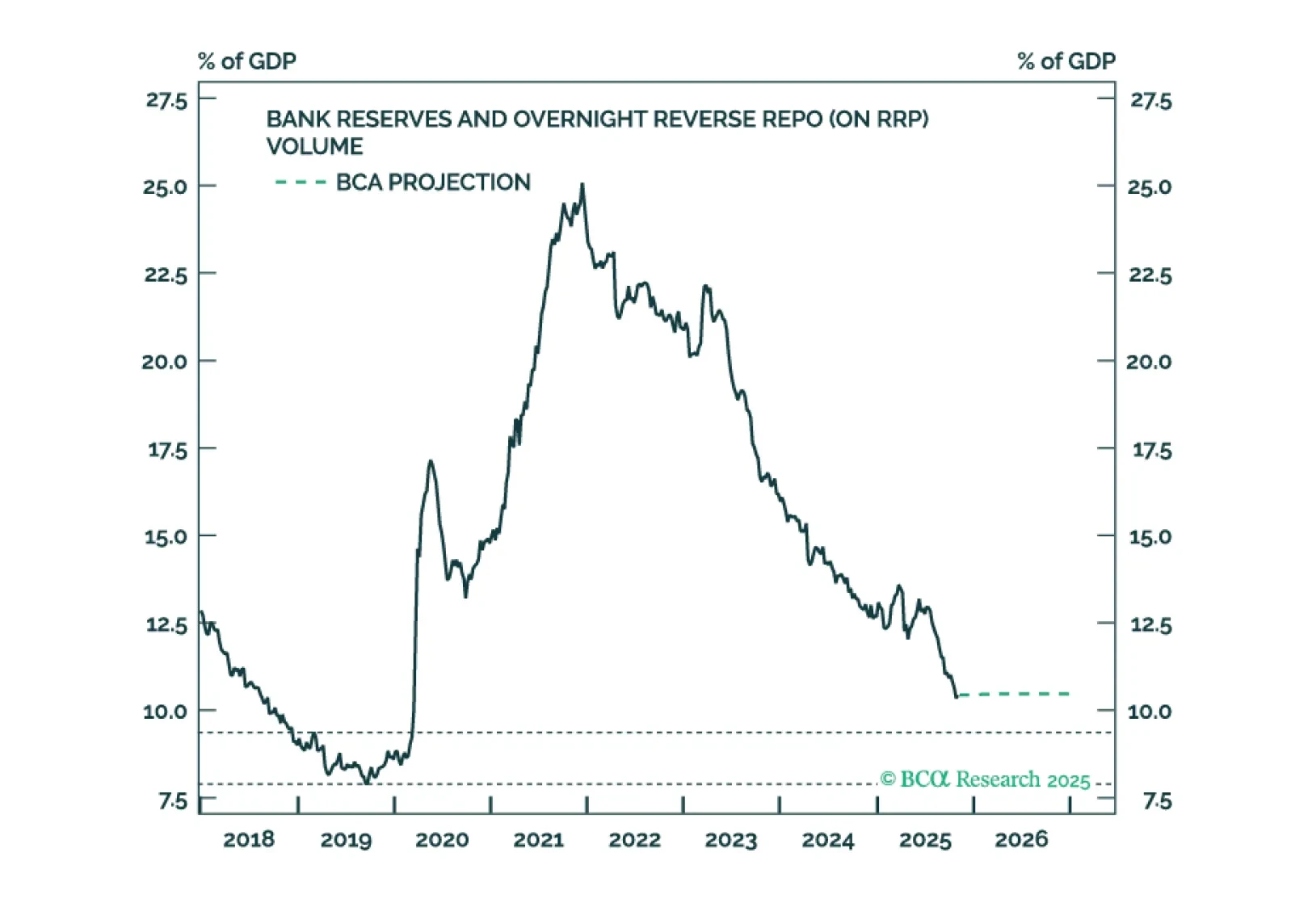
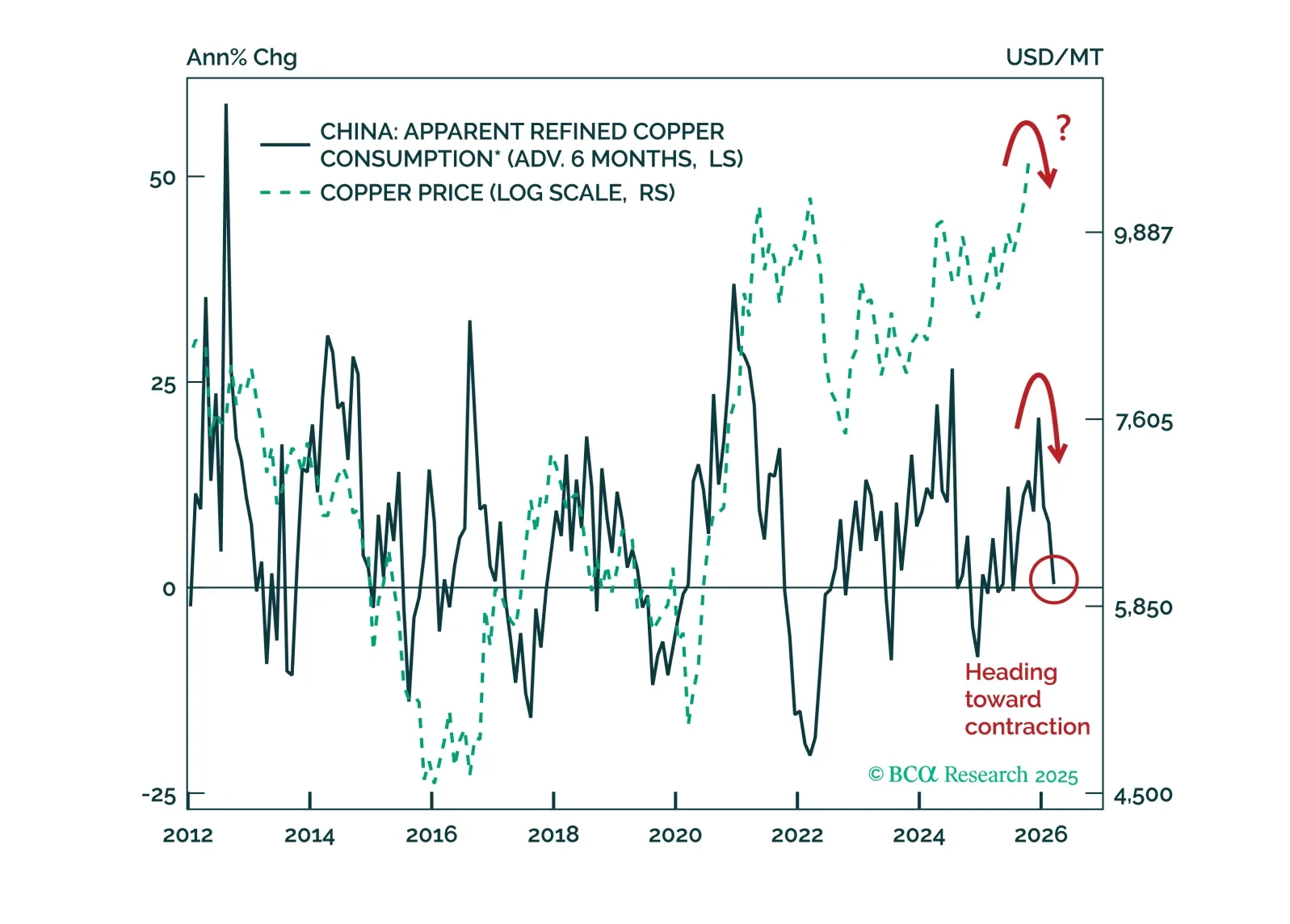
Should investors chase the copper rally or use the latest bout of strength as an opportunity to sell? We warn that weakening Chinese demand and shrinking global manufacturing will weigh on the metal’s price over a cyclical timeframe.
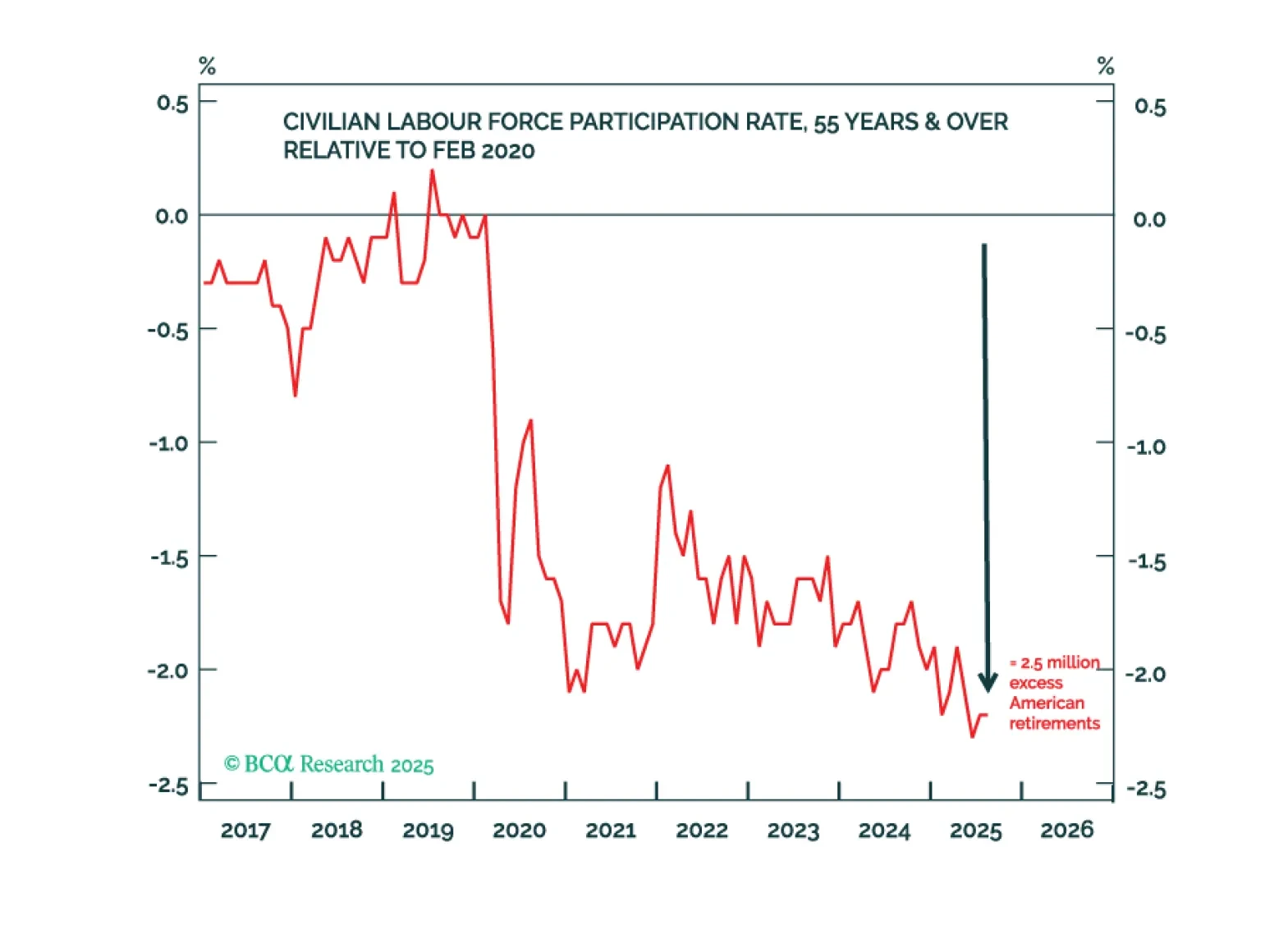
The greater risk to the world economy in 2026-27 is not that a recession triggers a market crash, but that a market crash triggers a recession. This is because a market crash will destroy the wealth that is funding the crucial marginal spending of 2.5 million excess American retirees. Plus, a new tactical trade is: Overweight Switzerland (SMI) versus UK (FTSE 100).
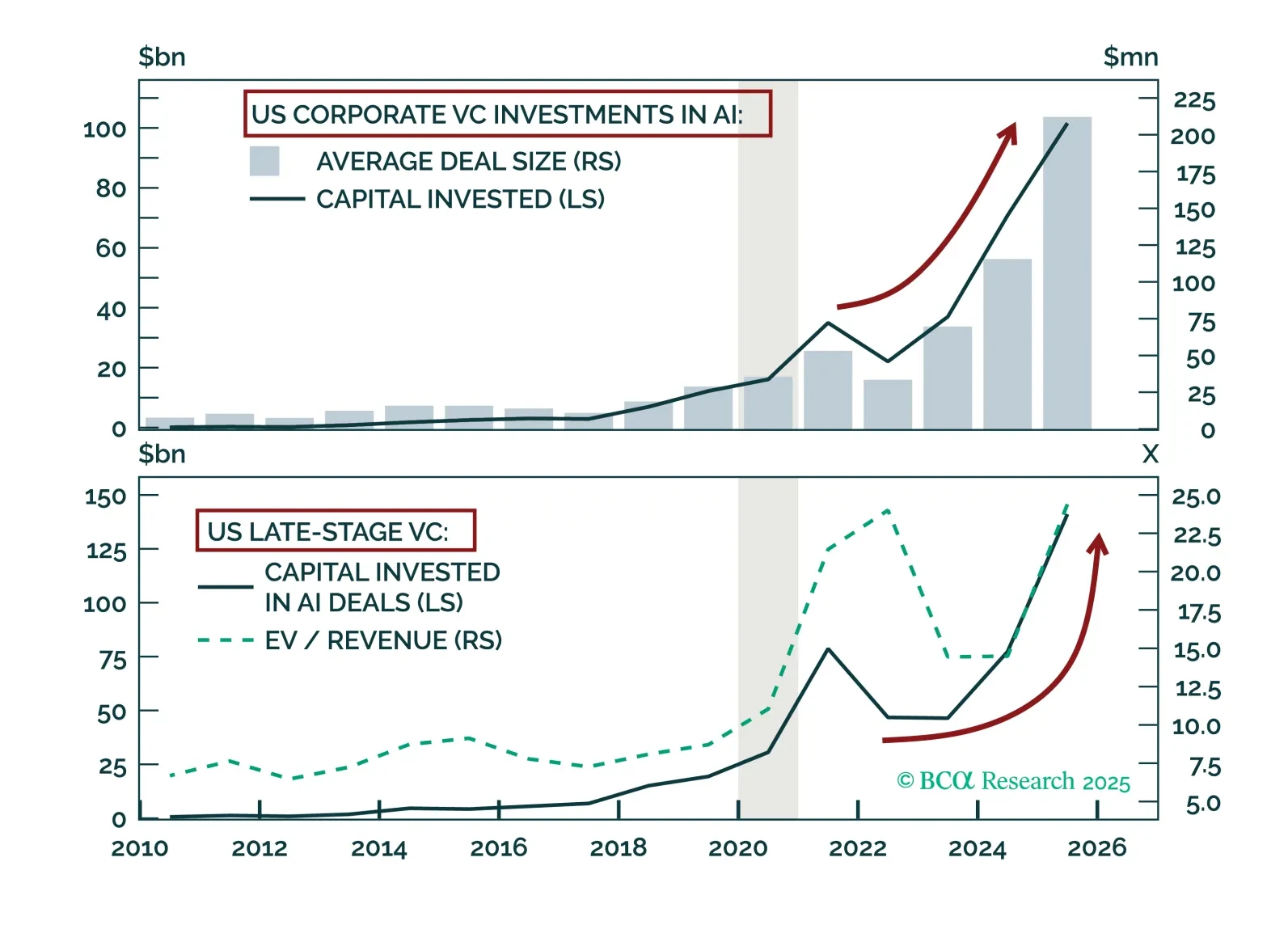
Our latest chartpack provides a comprehensive view across asset classes, highlighting current positioning, risks, and opportunities. Real Estate remains our highest conviction asset class. Private Credit will remain in the headlines amid stresses from 2020–2021 loan vintages. In Late-Stage Venture Capital, AI-related risks continue to build, while an improving US IPO market contends with a softening labor backdrop. Buyouts remain a key focus as the distribution bottleneck persists, setting the stage for improved entry opportunities.
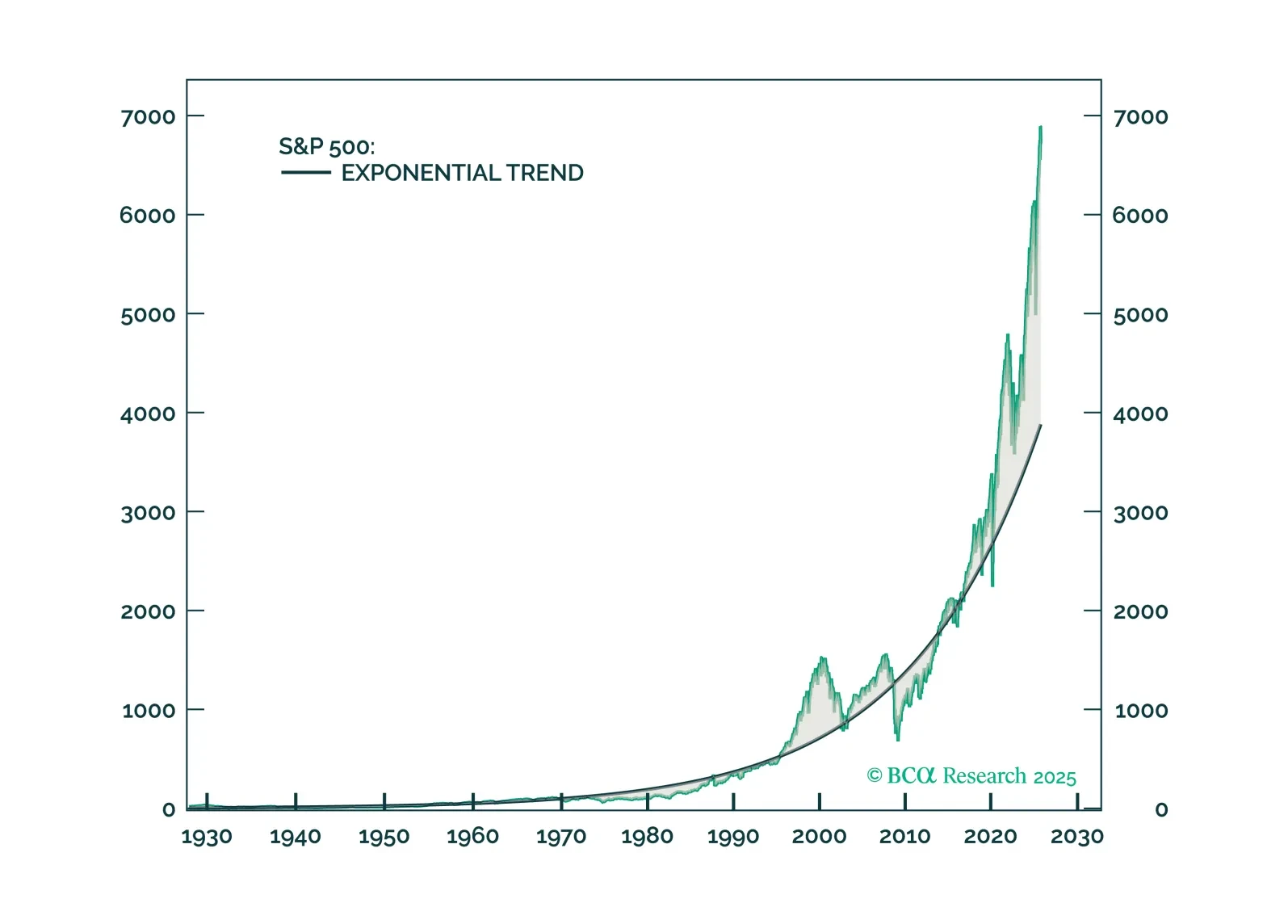
What would “Old Man Partridge” say about the end of 2025? Risks are mounting everywhere one looks. The labor market is more than wobbly. The AI capex boom is a bubble, the front pages proclaim. And geopolitical tensions have been percolating throughout the year. The odds are that the venerable investor from the Reminiscences of a Stock Operator would cast a tired glance from behind his spectacles and utter, under his breath, “Well, you know this is a bull market.”