Latest from BCA Research
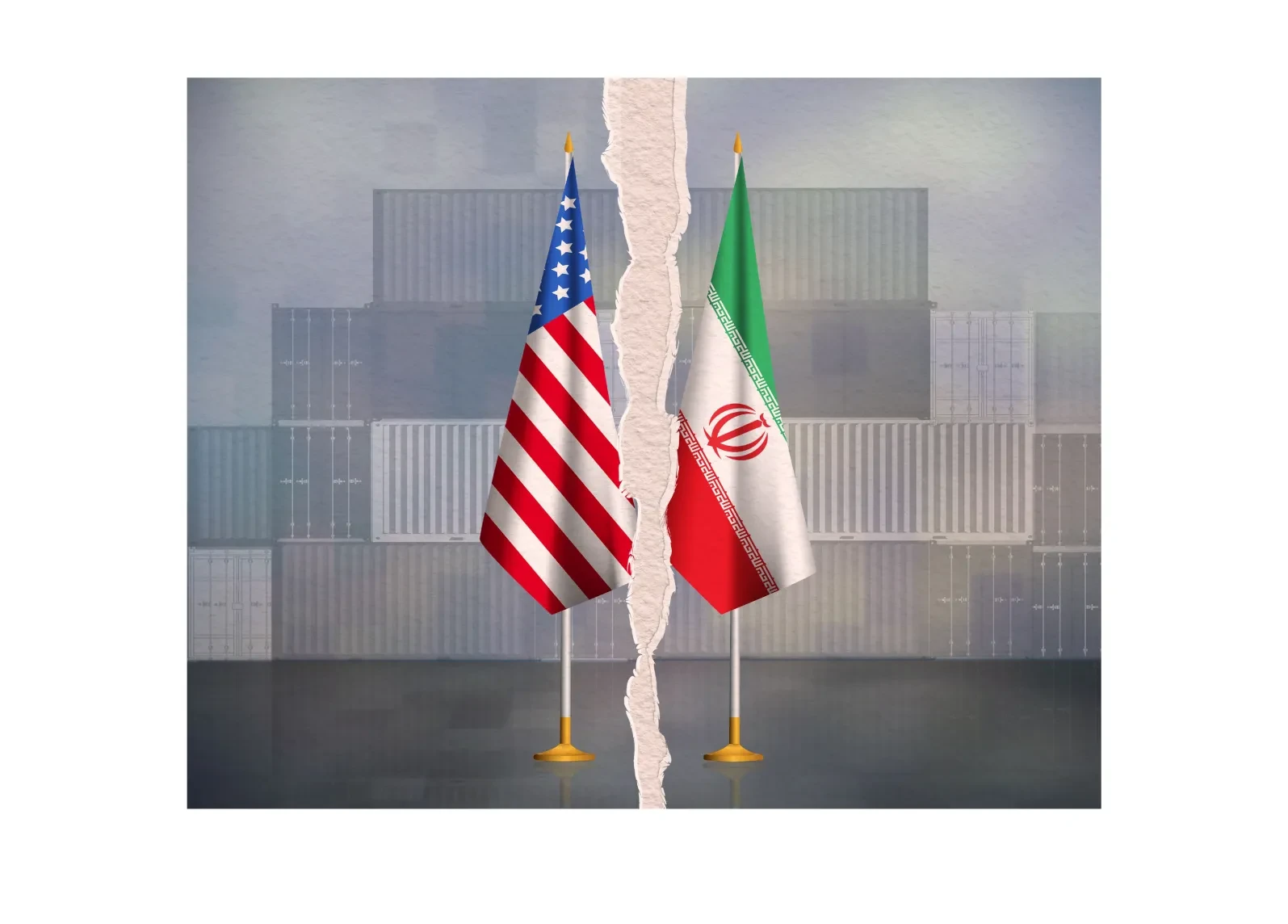
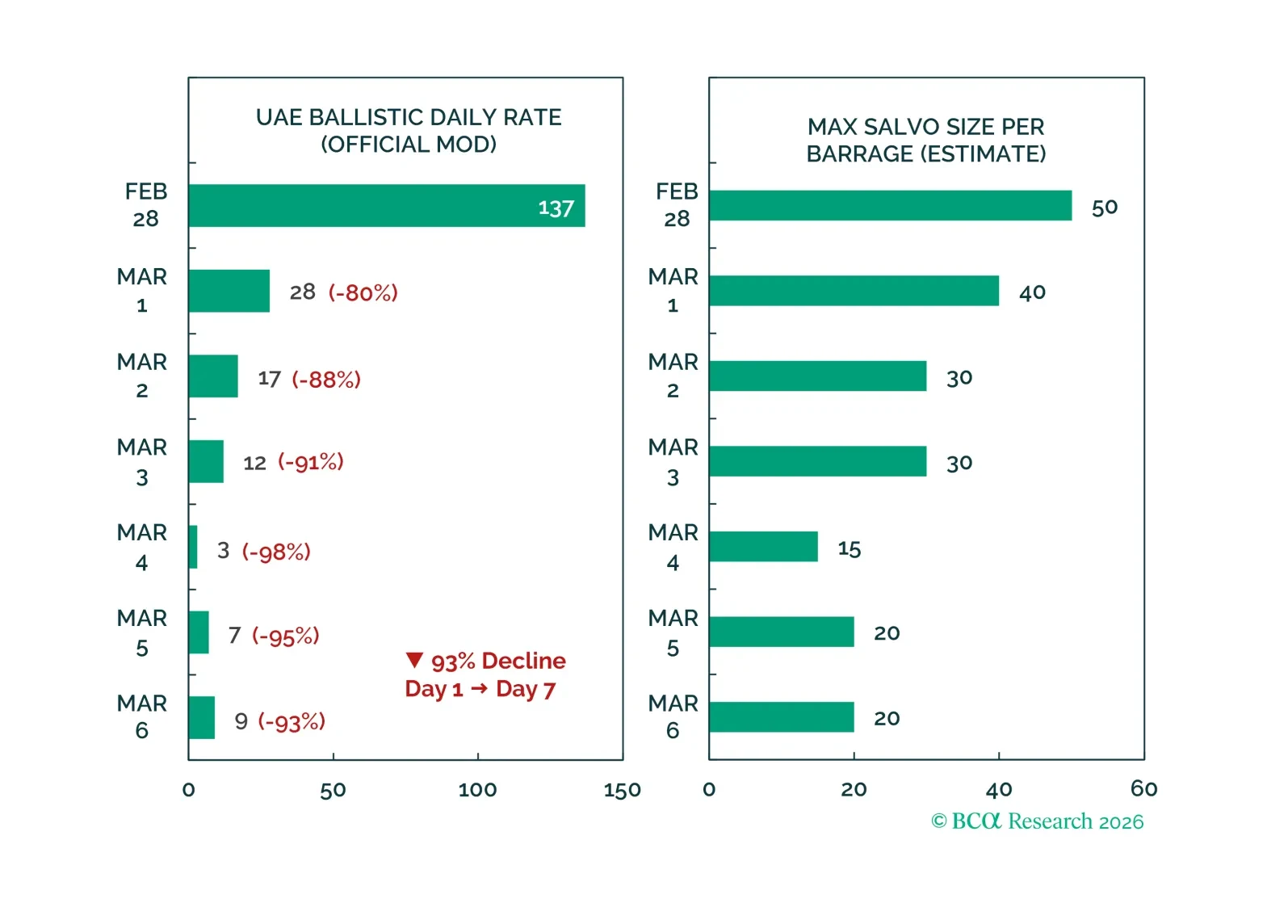
Investors have decided that the news flow out of the Middle East over the weekend was beyond negative, it is borderline apocalyptic. There are several reasons to agree with this assessment.

The basic idea behind the kinked Phillips curve framework is that there is a non-linear relationship between inflation and unemployment. When long-term inflation expectations are well anchored and the economy is operating along the steep portion of the aggregate labor supply curve, falling labor demand mainly leads to slower wage growth and fewer job openings rather than lower employment.

The US High Quality portfolio continues to outperform its benchmark through February, returning -1.29%, while its SPY benchmark returned -1.33%. On a trailing three-month basis, the USHQ portfolio’s performance was stronger than the benchmark as well, with USHQ outperforming by approx. 63bps.
Instead of a normal missive, I am sending all my clients today a very lightly edited internal email that I just shared with the whole firm. I hope that it illustrates to you some of the … “fear”… that we all share with each other behind closed doors here at BCA Research as colleagues and teammates. Hopefully you see some of it in our research as well. That “cold sweat” is a necessary part of anyone in research and strategy roles. Once we lose it, we become disconnected from our clients who are in the trenches and the frontlines.
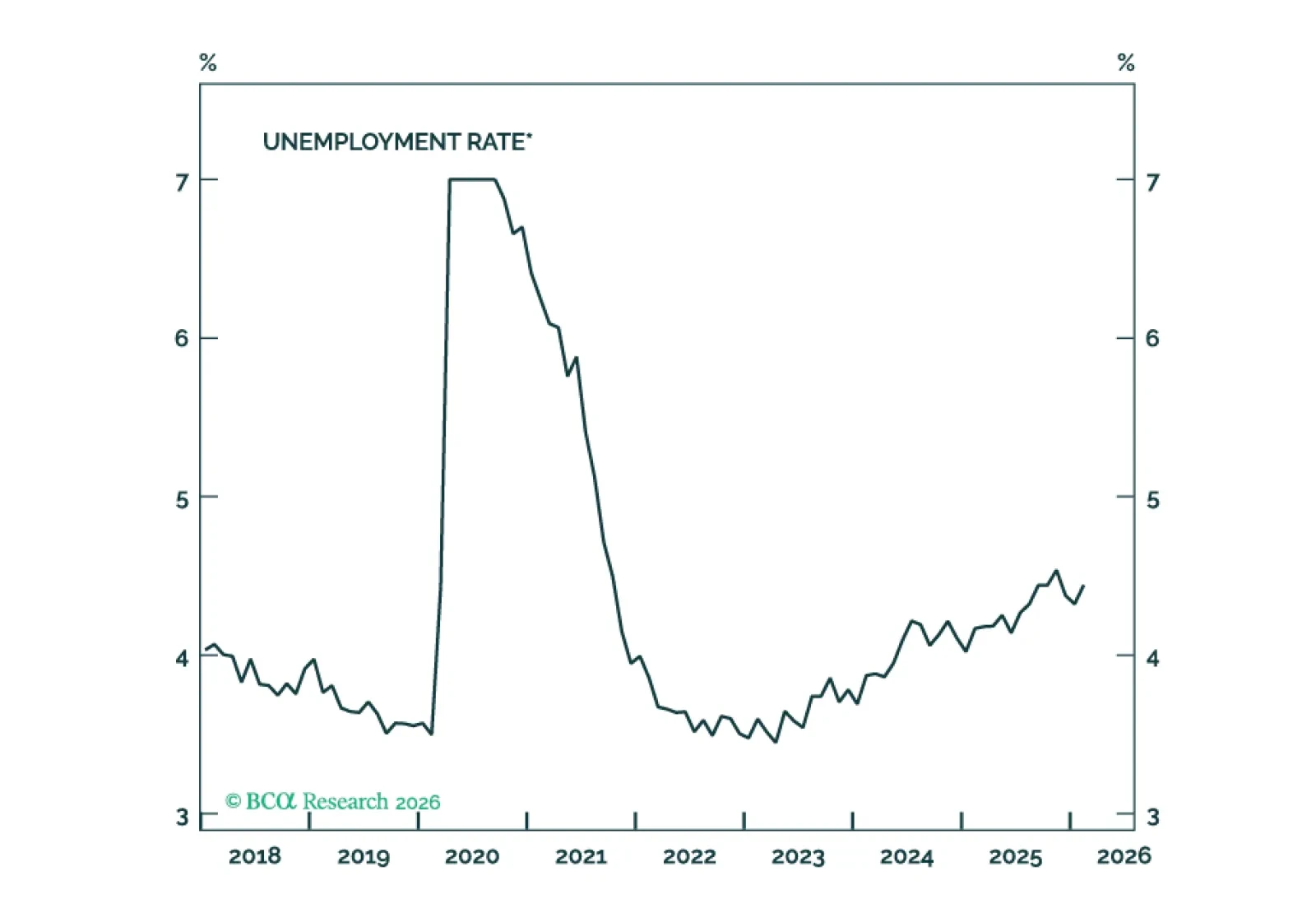
Looking through month-to-month volatility, job growth’s underlying trend is stable and consistent with a flat-to-slightly higher unemployment rate.

Everyone has opinions on Private Credit, but few have the data, and fewer have the objectivity. We give you both. In under 5 minutes, you will understand how we got here and, more importantly, how to allocate from here.
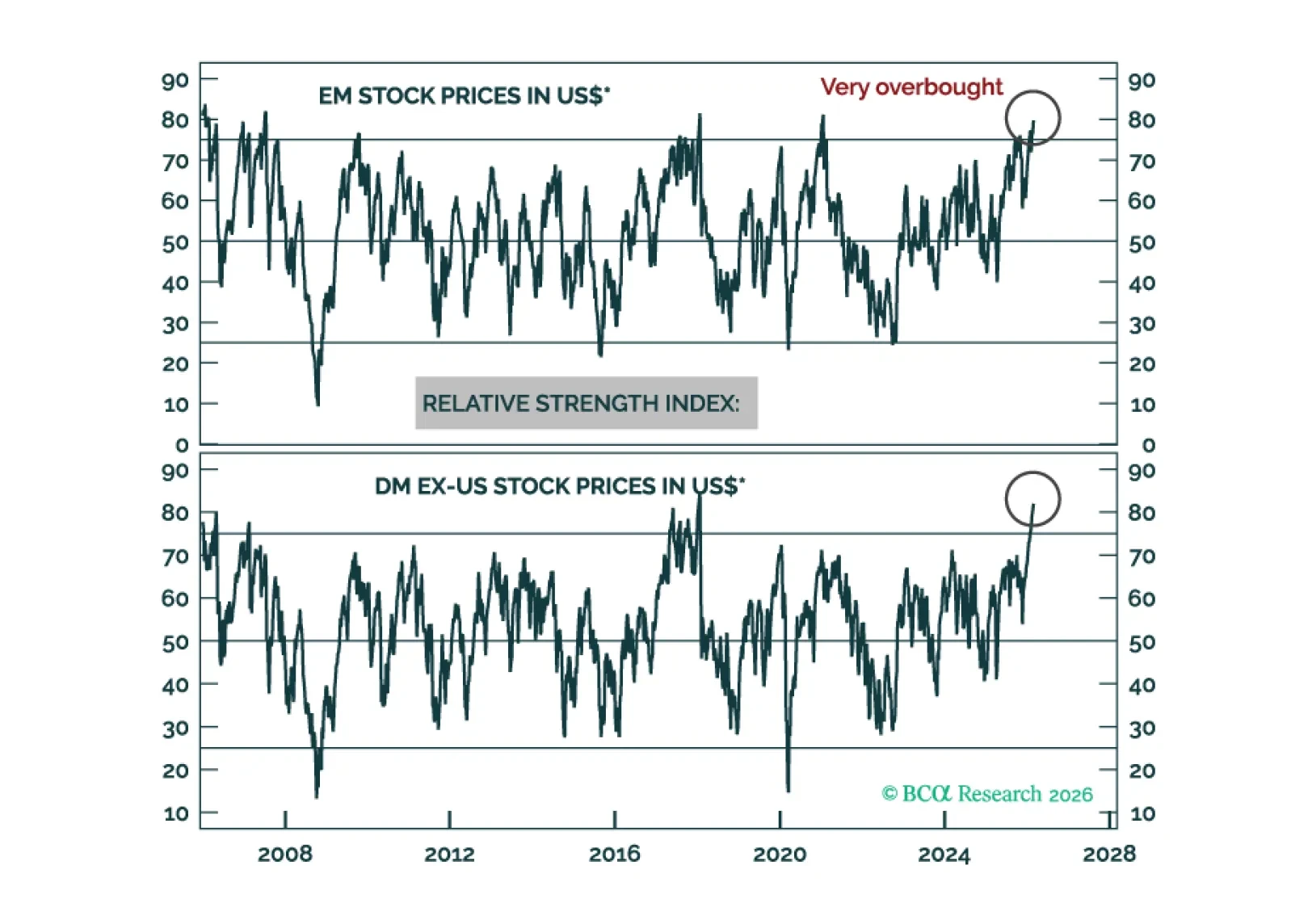
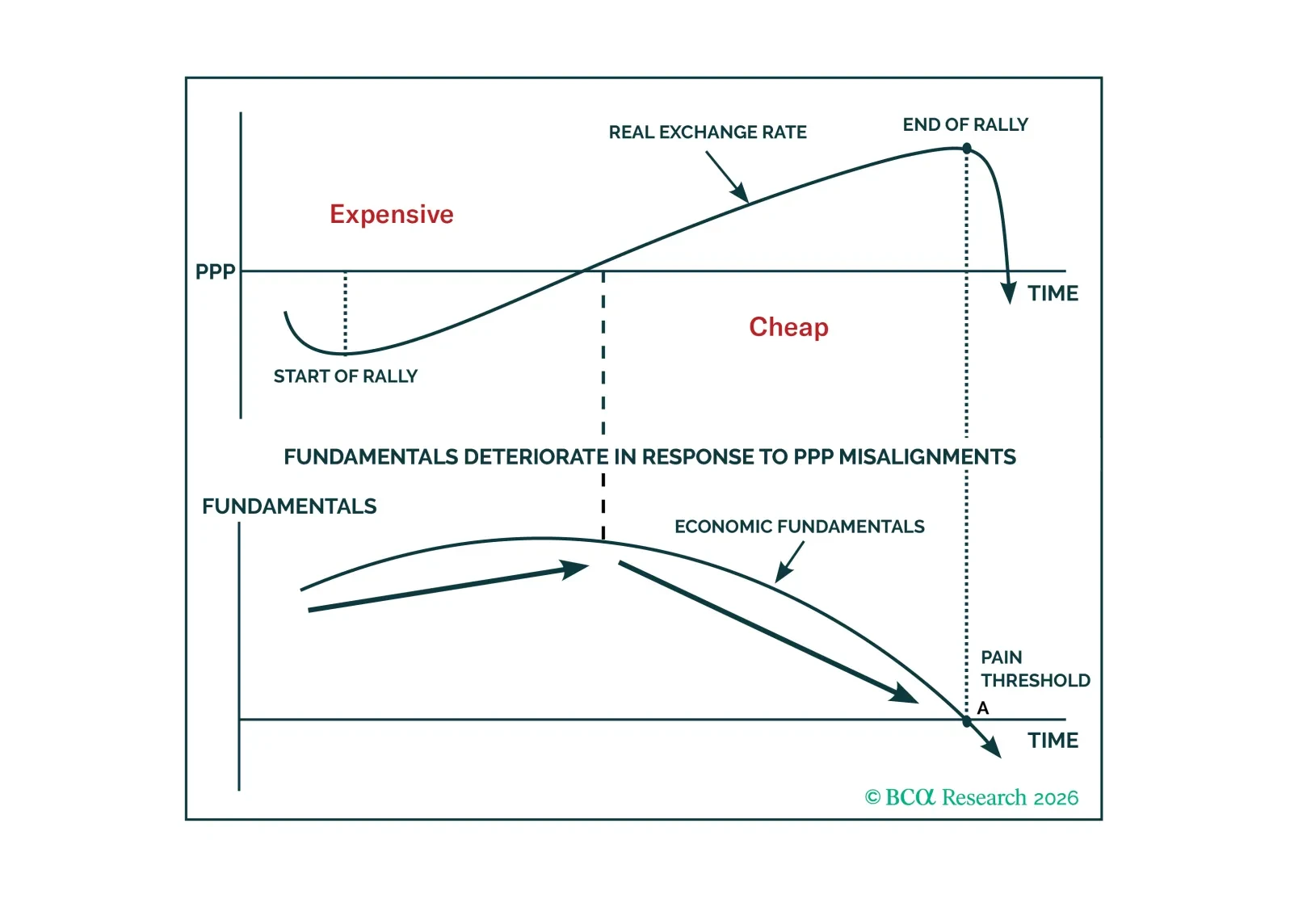
Avoid EM and DM risk assets. In the near term (one-to-three months), the odds favor US equity outperformance and a US dollar rebound. Nevertheless, the cyclical outlook (nine-to-12 months) warrants underweighting US equities and staying short the greenback.


Iran doesn’t need to sink a single US warship; it could inflict much more damage by sinking the US stock and bond markets by disrupting shipping, trade, and oil tankers with decentralised low-tech drone warfare. We discuss why it is not the direct pain of higher oil prices, but the knock-on repercussions for stock and bond markets that could inflict the greater damage. Plus, a new tactical trade is to underweight Materials.